Polychlorinated biphenyls, better known as PCBs, were banned in the United States more than 40 years ago, yet PCB contamination is still found every year in older buildings, electrical equipment and the soil around them. Because PCBs are tightly regulated, finding them can change the cost, schedule and paperwork of a renovation, demolition or cleanup. This guide from Environmental Remediation Contractor (ERC) explains where PCBs hide, what the rules require and how PCB remediation works.
What Are PCBs?
PCBs are man-made chemicals that were valued for being stable, fire-resistant and good electrical insulators. They were manufactured in the U.S. from 1929 until 1979, when the Toxic Substances Control Act (TSCA) banned their production. The same stability that made them useful also means they do not break down easily. They persist in soil and sediment for decades and build up in fish and wildlife. EPA classifies PCBs as probable human carcinogens, and exposure has been linked to effects on the immune, reproductive, nervous and endocrine systems.
Where Is PCB Contamination Found?
Most PCB contamination we see traces back to one of two sources.
Electrical equipment: Older transformers, capacitors, voltage regulators and fluorescent light ballasts often used PCB oils. When this equipment leaks, ages out or is damaged, the oil can contaminate concrete pads, floors, soil and storm drains. Transformer oil spills on utility and industrial sites are one of the most common triggers for PCB cleanup.
Building materials: EPA has found PCBs in materials installed in buildings between about 1950 and 1979, including caulk, window glazing, paint, sealants, adhesives, mastics, floor finishes and some ceiling tiles. Caulk can contain PCBs at very high concentrations, up to about 50% by weight. Schools, offices and industrial buildings from that era are the most likely candidates.
Over time, PCBs from these sources can move into surrounding concrete, brick, soil and sediment, which is why a single leaking transformer or old caulk joint can turn into a wider PCB remediation project.
What the Rules Say: The 50 ppm Threshold
PCBs are regulated under 40 CFR Part 761. A few key points shape almost every project:
- Products at or above 50 ppm (parts per million) are not authorized for continued use and must be removed and disposed of as PCB waste.
- Contaminated soil, concrete and debris are regulated as PCB remediation waste, with cleanup levels based on how the area will be used. Under the self-implementing cleanup option, high-occupancy areas such as homes and offices generally must reach 1 ppm or less, with higher levels allowed in low-occupancy areas under conditions such as caps or fencing.
- Testing is required. There is no way to identify PCBs by eye. Owners must sample, or treat suspect material as if it contains 50 ppm or more.
- Disposal is restricted. PCB waste must go to approved facilities, such as TSCA-approved incinerators or chemical waste landfills, with manifests and records kept.
Older transformers also have their own categories: equipment with 500 ppm or more is a “PCB transformer”, and equipment between 50 and 499 ppm is “PCB-contaminated”. Each carries different handling and disposal rules.
How PCB Contamination Is Cleaned Up
PCB remediation follows the same basic steps whether the source is a transformer leak or an old building:
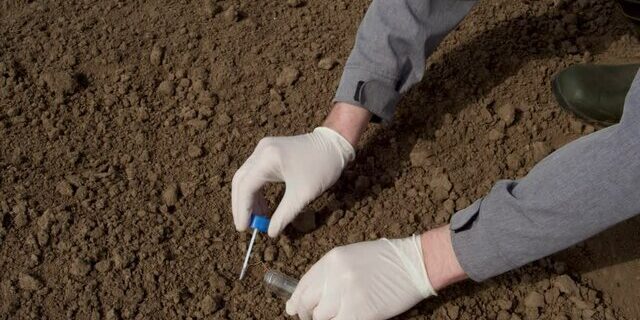
- Identify and sample: Collect samples of suspect materials, surfaces, soil and sometimes water to find where PCBs are and at what concentration.
- Plan the cleanup: Choose a cleanup approach and target levels based on the site’s use, and notify EPA where the rules require it.
- Contain the area: Set up work zones and controls so dust, liquids and debris don’t spread PCBs further.
- Remove and clean: Excavate contaminated soil, remove or decontaminate concrete and surfaces, and recover any liquids with vacuum trucks.
- Verify: Collect confirmation samples to prove cleanup levels have been met.
- Dispose and document: Profile, package and ship PCB waste to approved facilities and keep the records needed for closure. Our article on waste profiles explains how this works.
Transformer Oil Spills: Act Fast
If a transformer is leaking or has been damaged, treat the oil as if it contains PCBs until testing proves otherwise. Keep people away, stop the oil from reaching drains and soil, and call a spill responder. Speed limits how far the contamination travels, and how much soil and concrete has to be removed later. Our emergency response team handles transformer oil releases 24/7, and our guide to the first 24 hours of a spill explains what happens next. Utilities can learn more on our utilities and energy page.
Planning a Renovation or Demolition?
If your building dates from 1950 to 1979, test suspect materials for PCBs before renovation or demolition. Finding PCBs mid-project usually means work stops while the material is sampled and removed. Building it into the plan from the start keeps costs and schedules predictable, which is the same reason we recommend decommissioning before demolition.
What Drives the Cost of PCB Remediation?
PCB projects vary widely in cost. The main drivers are the concentration of PCBs found (which decides the disposal facility and price), the volume of soil, concrete or building material to remove, how far the contamination has spread, the cleanup level needed for the site’s use, access and containment needs, and how much confirmation sampling is required. Disposal is often the single largest cost, because PCB waste can only go to a limited number of approved facilities. Sampling well at the start, so only the material that needs special disposal goes there, is the best way to control the budget.
Who Is Responsible for PCB Cleanup?
In most cases the owner of the property or the equipment is responsible for managing PCBs on site, including removing unauthorized materials and cleaning up releases. That responsibility can pass to a buyer, which is why PCBs often come up during Phase I and Phase II environmental site assessments before a sale.
Why Owners Call ERC for PCB Remediation
Environmental Remediation Contractor (ERC) self-performs PCB remediation services nationwide: spill response, excavation, concrete removal, decontamination, waste transportation coordination and disposal. Every crew member is HAZWOPER-trained, and we work alongside your consultant and regulators from sampling through final closure.
Leaking transformer or PCB-containing materials on site? Call ERC 24/7 at 877.683.7724, or request an estimate for planned PCB remediation.
Frequently Asked Questions
PCB contamination is the presence of polychlorinated biphenyls, man-made chemicals banned in 1979, in soil, concrete, building materials, water or equipment. PCBs persist for decades and are regulated because of their health and environmental risks.
PCBs are most often found in older transformers, capacitors and fluorescent light ballasts, and in building materials installed between about 1950 and 1979, such as caulk, glazing, paint, sealants and adhesives.
Under TSCA rules, products containing PCBs at 50 parts per million or more are not authorized for use and must be removed and disposed of as PCB waste at approved facilities.
Contaminated soil is sampled to define the extent, excavated, confirmed clean with follow-up samples and disposed of at an approved facility. High-occupancy areas generally must be cleaned to 1 ppm or less.
Yes, until testing shows otherwise. Isolate the area, keep oil out of drains and soil, and call a qualified spill response contractor.
Environmental Remediation Contractor (ERC), headquartered in Columbus, Ohio, provides PCB spill response and remediation nationwide, with HAZWOPER-trained crews and full waste disposal support.
