When a plant closes, a process line is retired or a property is sold, owners often ask for a “demo quote” first. In many cases that is the wrong place to start. Before a building comes down, the site usually has to be decommissioned: emptied of hazardous materials, cleaned, documented and checked for contamination. Get the order wrong and you can spread contamination, break environmental rules and lose the clean bill of health a buyer or lender will want. This guide from Environmental Remediation Contractor (ERC) explains the difference and what each phase involves.
What Is Decommissioning?
Decommissioning is the process of safely taking a facility, system or piece of equipment out of service. It covers everything needed to make a site safe and environmentally clean before it is demolished, sold, repurposed or left idle. For an industrial site, that typically means:
- Draining and cleaning tanks, piping, sumps and process equipment
- Removing chemicals, fuels, oils and hazardous materials still on site
- Identifying regulated materials such as asbestos, lead paint, PCBs and mercury
- Disconnecting and making utilities safe
- Removing or closing storage tanks
- Sampling soil and groundwater for contamination
- Documenting the work for regulators, buyers and lenders
The goal of site decommissioning is a property that no longer poses an environmental or safety risk, with paperwork to prove it.
What Is Demolition?
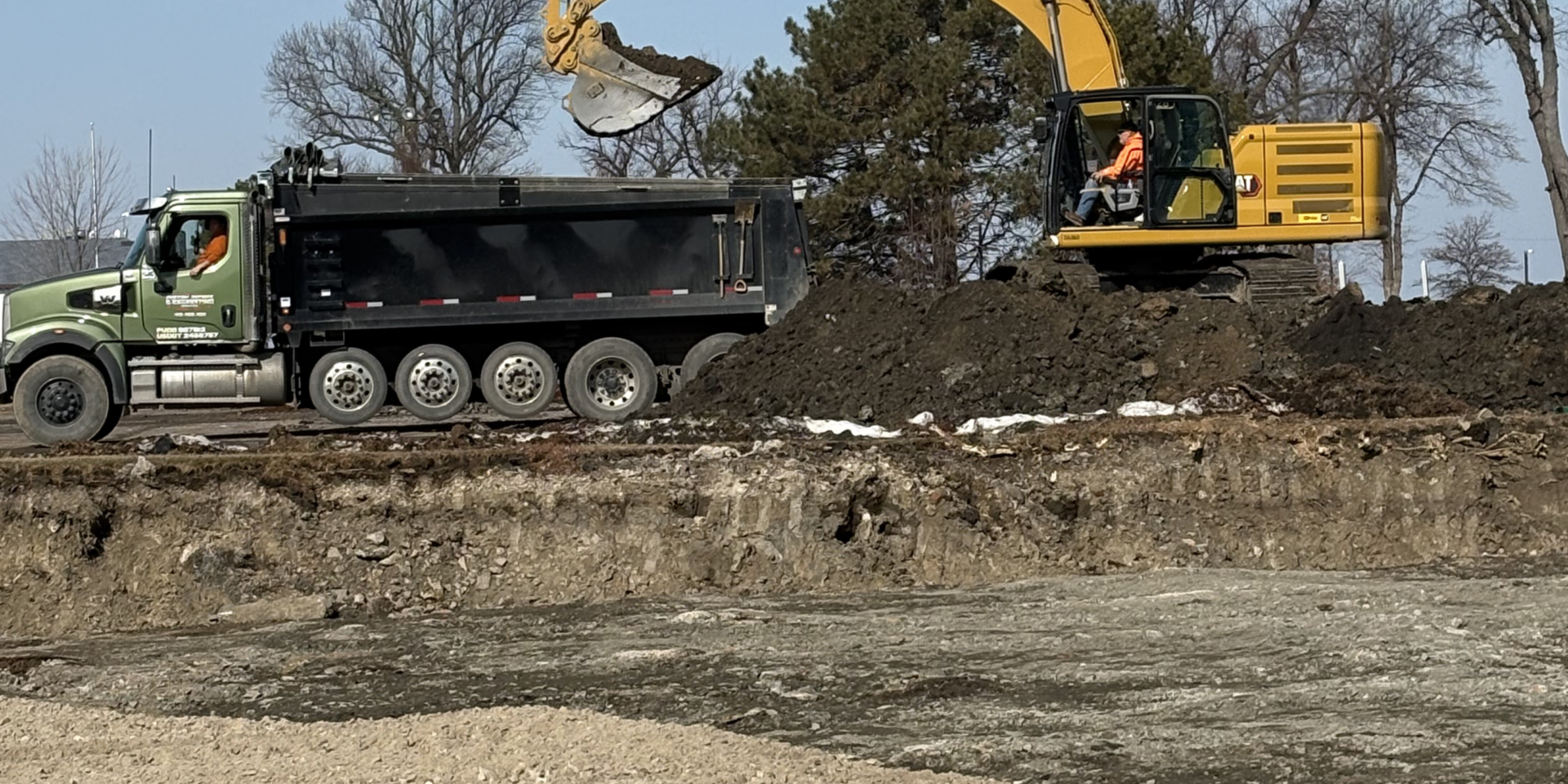
Demolition is the physical removal of structures: knocking down buildings, removing foundations and slabs, and clearing the site. Industrial demolition services focus on doing that safely and efficiently, often while recycling steel, concrete and other materials. Demolition belongs to the world of industrial construction. It is not designed to deal with the contaminants a building or its equipment may hold.
Decommissioning vs. Demolition at a Glance
| Decommissioning | Demolition | |
| Main goal | Make the site safe and environmentally clean | Remove structures |
| Typical work | Tank cleaning, waste removal, hazardous material surveys, sampling, remediation | Building teardown, foundation removal, debris hauling |
| Main risks managed | Releases, contamination, regulatory liability | Structural and worker safety |
| When it happens | First | After decommissioning |
| Key output | Clean site and closure documentation | Cleared site |
Why Decommissioning Has to Come First
There are three practical reasons to finish decommissioning before demolition starts.
- The law expects it: Federal asbestos rules require an inspection before an industrial building is demolished, and in most cases regulators must be notified at least 10 working days ahead. PCB-containing materials, mercury switches and fluorescent lamps also have to be removed and disposed of properly first.
- Demolition spreads what is left behind: Crushing a tank that still holds sludge or breaking a floor over a stained sump releases contamination into the soil that a careful cleanout would have kept contained.
- Clean data protects the sale: Sampling under slabs, sumps and tank areas is far easier and cheaper while the structures are still there to guide where to look. That data can help inform a buyer’s Phase I and Phase II environmental site assessments.
What a Site Decommissioning Project Looks Like
Every site is different, but most projects ERC supports follow the same sequence:
- Survey and inventory: Walk the site, review records and list every tank, drum, chemical, process line and suspect building material.
- Waste characterization: Sample and profile materials so each one goes to the right disposal facility. Our article on waste profiles explains why this step drives cost.
- Cleanout: Drain and clean tanks, lines and pits, often with vacuum trucks, and remove drums and containers.
- Tank removal or closure: Underground and aboveground tanks are removed or closed under state rules. See our guide to UST removal costs.
- Environmental assessment: Soil and groundwater sampling to confirm what, if anything, remains.
- Remediation if needed: Soil remediation or groundwater treatment where contamination is found.
- Documentation and handoff: Disposal records, sampling results and closure reports, ready for demolition and redevelopment.
Hazards Commonly Found During Decommissioning
Older industrial sites rarely hold just one problem. These are the items ERC crews find most often once a facility is opened up for decommissioning:
- Residual product and sludge in tanks, sumps, trench drains, oil-water separators and process piping
- Forgotten underground storage tanks that never appeared on a site plan
- Asbestos in pipe insulation, floor tile, roofing and boiler lagging
- Lead-based paint on structural steel, equipment and older walls
- PCBs in transformers, capacitors, light ballasts and caulk.
- Mercury in switches, thermostats, gauges and fluorescent lamps
- Stained soil under loading docks, drum storage areas and maintenance bays
Each of these has its own handling, testing and disposal rules. Finding them during a planned survey costs far less than finding them halfway through a demolition, when work has to stop.
What Drives the Cost of Decommissioning?
There is no standard price for site decommissioning, but the same factors decide almost every budget: the number and size of tanks and process systems to clean, how much waste there is and how it is classified, the regulated building materials present, whether soil or groundwater contamination is found, access and site conditions, and the documentation the buyer, lender or regulator needs. A survey and waste inventory at the start of the project is the most reliable way to turn those unknowns into a firm scope.
Industrial Waste Management During Decommissioning
Waste is usually the largest and least predictable cost in a decommissioning project. Industrial waste management on a closing site can include residual product, sludges, contaminated debris, used oil, universal waste such as batteries and lamps, and sometimes hazardous waste that must travel under a manifest. Sorting and profiling it early keeps clean material out of expensive disposal streams and keeps the project on schedule. It also protects the owner, who stays legally responsible for hazardous waste from the moment it is generated to its final disposal.
How to Choose a Decommissioning Partner
Look for a contractor that understands both the environmental and construction sides of the work: HAZWOPER-trained crews, its own equipment, waste management experience and a record of working with state regulators. Many owners hire an industrial demolition company and an environmental contractor separately and then manage the handoff themselves. Using one environmental general contractor to run decommissioning, remediation and site restoration reduces that risk. Our contractor selection checklist lists the questions worth asking, and our manufacturing and industrial page shows the kinds of sites we work on.
If the property is headed for redevelopment, decommissioning is also the first step toward reuse. Ohio owners can read about the next stage in our guide to Ohio’s brownfield redevelopment process. Waiting tends to cost more, as our article on the true cost of delaying remediation explains.
Closing a plant, retiring equipment or preparing a site for sale? Talk to ERC about a decommissioning plan, or call (614) 769-6535.
Frequently Asked Questions
Decommissioning is the process of safely taking a facility or equipment out of service. It includes removing hazardous materials, cleaning tanks and process equipment, surveying for regulated materials, sampling for contamination and documenting that the site is safe.
Decommissioning makes a site safe and environmentally clean. Demolition physically removes the structures. Decommissioning normally comes first so contamination is not spread when buildings come down.
Yes. Federal rules require an asbestos inspection before demolition of commercial and industrial buildings, and regulators generally must be notified at least 10 working days before demolition starts.
A small facility can take a few weeks. Large plants with many tanks, process lines or contamination can take several months. A survey and waste inventory at the start give the most reliable schedule.
Each waste stream is sampled, profiled and sent to an approved recycling, treatment or disposal facility. Hazardous waste travels under a manifest, and the owner keeps the disposal records.
Environmental Remediation Contractor (ERC), headquartered in Columbus, Ohio, provides decommissioning support, tank removal, waste disposal and remediation for clients nationwide.
