

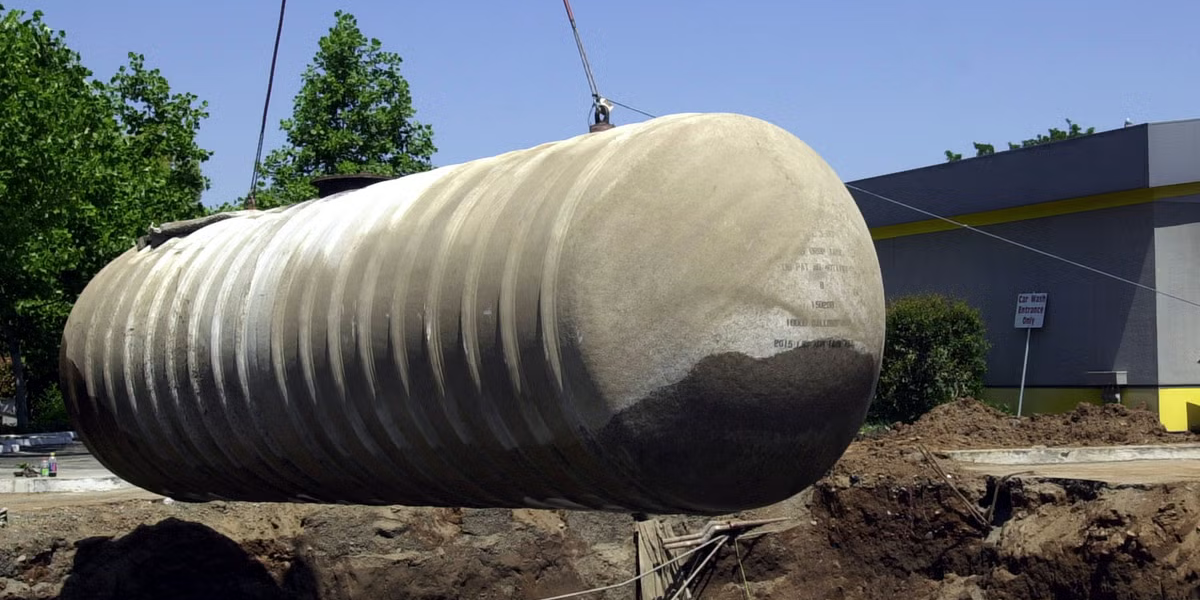
Construction projects need on-call environmental emergency response because spills and unexpected contamination are common on active sites, and every hour of delay costs money. Equipment leaks fuel and hydraulic oil. Excavators uncover buried tanks, drums or stained soil. Rain carries contaminants toward storm drains. With a response contractor lined up before groundbreaking, the general contractor or owner makes one call and a trained crew arrives, contains the problem and gets the site working again. Without one, the crew stands idle while someone searches for help. Environmental Remediation Contractor (ERC) provides on-call response for builders, developers and site contractors nationwide.
The Environmental Emergencies Construction Sites Actually Face
| Situation | Why it is a problem | Typical response |
| Fuel or hydraulic oil leak from equipment | Can reach storm drains and violate stormwater permits | Contain, absorb, excavate impacted soil, dispose |
| Refueling or fuel-tank spill | Larger volumes of diesel or gasoline | Vacuum recovery, soil removal, reporting support |
| Buried storage tank discovered | Possible petroleum contamination and regulatory requirements | Secure the area, assess, remove the tank and impacted soil |
| Drums, debris or stained soil uncovered | Unknown materials, possible hazardous waste | Stop work, sample, characterize, remove |
| Concrete washout or sediment overflow | Stormwater permit violations | Contain and clean up, restore controls |
Why Line Up Response Before Breaking Ground
Downtime Is the Real Cost
When an excavator hits a buried tank or uncovers drums, work in that area has to stop. Each idle day costs crew wages, equipment rental and schedule slip. If the response contractor is already under agreement, it can arrive quickly, assess the problem and often let work continue elsewhere on the site while it deals with the impacted area. If you start calling around after the discovery, you lose time on quotes, insurance certificates and site-safety paperwork.
Stormwater Permits Leave Little Room for Error
Most construction sites that disturb one acre or more need coverage under an NPDES construction stormwater permit and a Stormwater Pollution Prevention Plan (SWPPP). That plan has to address spill prevention and response. A spill that reaches a storm drain or a creek can lead to permit violations, fines and stop-work orders. Having a named response contractor in the SWPPP shows inspectors that the site is prepared, and helps make sure a spill is handled correctly.
Unexpected Contamination Has Rules of Its Own
Older properties, former gas stations and industrial sites often hide surprises. A buried tank may require state notification and a regulated removal. Our guides to UST removal costs and UST removal licensing requirements by state explain the details. Contaminated soil may need sampling and a waste profile before it can leave the site. Moving it without proper characterization can create liability that follows the owner for years. If a Phase I or Phase II environmental site assessment was done before purchase, review it with your team so you know what you might find.
What to Do When You Find Something During Excavation
- Stop work in the immediate area and keep equipment and people back.
- Look, but don’t touch. Don’t open drums, cut into tanks or move stained soil.
- Call 911 if there is a fire, strong vapors, injuries or a release in progress.
- Photograph the area and note the location, depth and what you see or smell.
- Call your on-call environmental contractor to assess the find and recommend next steps.
- Notify the owner and, where required, the state agency. Your contractor can help you work out whether a report is needed.
What an On-Call Agreement Should Include
- A 24/7 emergency number answered by a live dispatcher
- Agreed rates for crews, equipment and common disposal streams
- Insurance certificates and safety documents already on file
- Crews with 40-hour HAZWOPER training
- Self-performed capabilities: vacuum trucks, excavation, tank removal, sampling and waste transport
- Coverage for every state where you build
ERC’s emergency spill response agreement is built for exactly this. Set it up once and it covers your projects, so any superintendent can call one number. We also support builders through our construction and real estate services. When a find turns into a larger cleanup, we handle soil remediation and UST and AST removal with the same team.
Build It Into Your Pre-Construction Checklist
Add environmental response to the same pre-construction checklist as utility locates and site-safety planning. Name the contractor in your SWPPP and site-specific safety plan. Post the 24/7 number in the job trailer and on equipment. Make sure every subcontractor knows to stop and call rather than dig around a problem. A few minutes of setup before groundbreaking can save days of delay later.
Breaking ground soon? Put ERC on call with an emergency spill response agreement, or call (614) 769-6535 to talk through your project. For emergencies, call 8776837724, 24/7.
Frequently Asked Questions
Stop work in that area, keep people and equipment back, and don’t cut into or move the tank. Photograph it and call an environmental contractor to assess it. Buried tanks often require state notification and a regulated removal.
Most sites that disturb one acre or more need an NPDES construction stormwater permit and a SWPPP, which includes spill prevention and response. Sites that store more than 1,320 gallons of oil aboveground may also need an SPCC plan.
Responsibility depends on ownership, contracts and state law, and often falls on the property owner. The contractor that disturbs the contamination can also take on liability if it handles the material improperly. Stop work and get it assessed before moving any soil.
Often, yes, in unaffected areas of the site. A response contractor can isolate and manage the impacted area so other work keeps going. Work in the affected area resumes once the material is removed or a plan is approved.
Setting up an agreement in advance typically costs little or nothing. You pay for crews, equipment and disposal when there is an incident, at rates agreed ahead of time. That usually costs less than emergency rates negotiated during an incident.
It depends on the volume, the material and whether it reached soil, drains or water. State thresholds vary. Ohio, for example, generally requires notice within 30 minutes of discovering a reportable release. When in doubt, report, and keep records of what you did.
