If you are buying, selling, financing or redeveloping commercial property, you will almost certainly hear about environmental site assessments. A Phase I is often required by lenders, and a Phase II can follow if the Phase I raises a concern. Knowing what each one does, and what happens if contamination is confirmed, helps you plan the deal and avoid surprises. This guide from Environmental Remediation Contractor (ERC) explains the difference in plain terms.
What Is a Phase I Environmental Site Assessment?
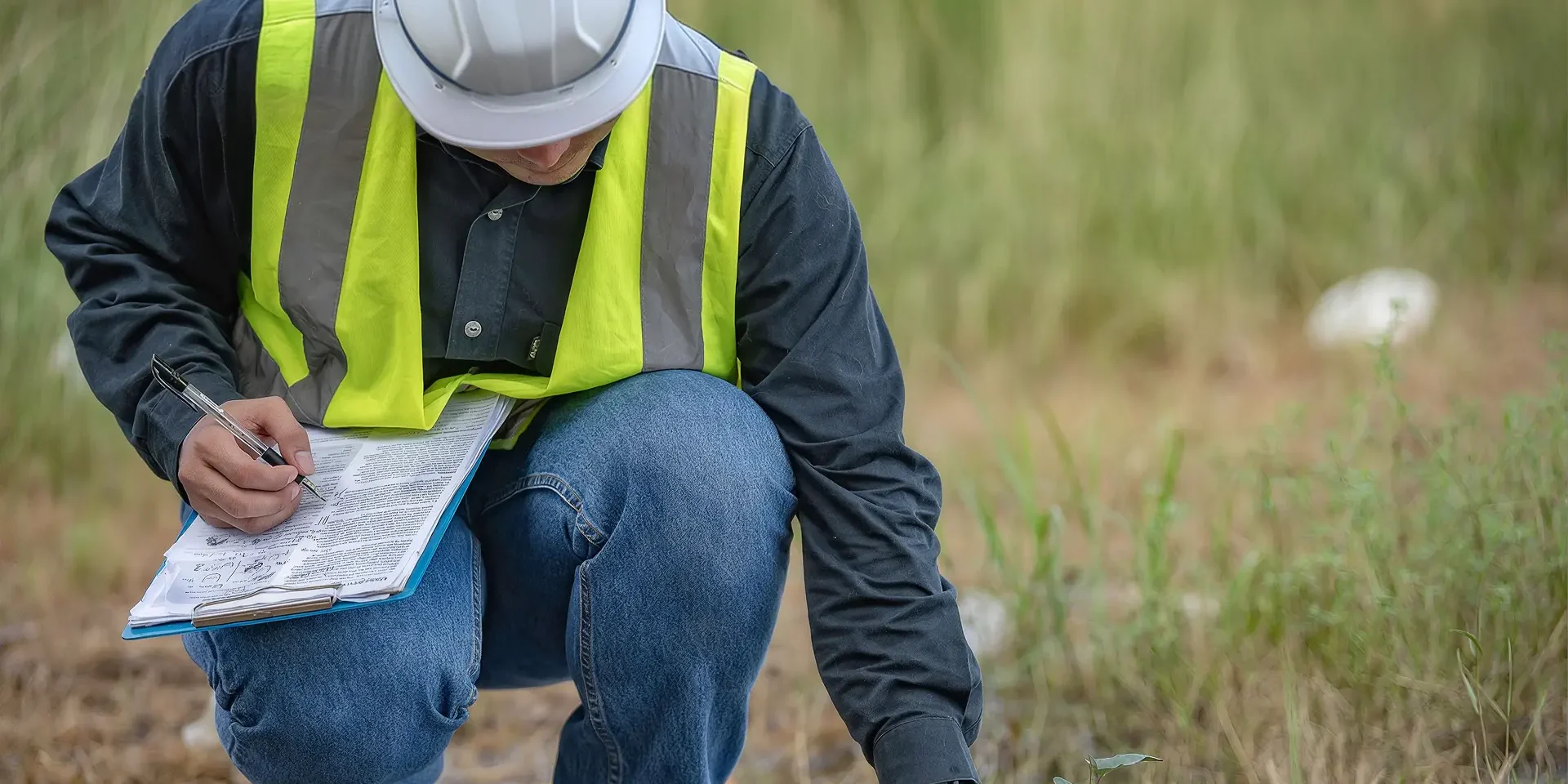
A Phase I environmental site assessment (ESA) is a research-based review of a property’s current and past uses. No samples are taken. An environmental professional reviews historical records, aerial photos and government databases, interviews owners and occupants, and walks the site to look for signs of contamination.
Most Phase I reports follow the ASTM E1527-21 standard, which EPA recognizes as meeting its “All Appropriate Inquiries” rule. Completing a Phase I before you buy can help qualify you for liability protections under the federal Superfund law (CERCLA), such as the bona fide prospective purchaser defense.
The key output is a list of recognized environmental conditions (RECs): signs that hazardous substances or petroleum have likely been released at the property. Common examples include former gas stations, dry cleaners, underground storage tanks, stained soil around industrial equipment and nearby properties with known releases.
What Is a Phase II Environmental Site Assessment?
A Phase II environmental site assessment tests whether the concerns found in a Phase I are real. It involves collecting and analyzing samples, usually soil, groundwater and sometimes soil vapor or building materials, at the locations most likely to be affected. Phase II work often follows the ASTM E1903 standard.
A Phase II answers three questions: Is contamination present? What is it? Is it above the levels regulators care about for the property’s intended use?
Phase I vs. Phase II at a Glance
| Phase I ESA | Phase II ESA | |
| Purpose | Identify possible contamination | Confirm and measure contamination |
| Method | Records review, interviews, site walk | Soil, groundwater and vapor sampling with lab analysis |
| Sampling | None | Yes |
| When it’s needed | Most commercial purchases and loans | When a Phase I finds a REC, or the lender requires it |
| Typical timeline | About 2–4 weeks | Several weeks, depending on drilling and lab time |
| Output | List of RECs and recommendations | Data showing what is present and at what levels |
How Long Is a Phase I Valid?
Timing matters for closing. Under the All Appropriate Inquiries rule, a Phase I must be completed within one year before you acquire the property, and certain parts of it, including the interviews, lien search, government records review, site visit and the environmental professional’s declaration, must be completed or updated within 180 days of acquisition. If your closing date slips, the report may need an update.
When Do You Need a Phase II?
A Phase II is usually recommended when the Phase I identifies one or more RECs, when a lender wants confirmation before approving a loan, or when the property’s history makes contamination likely, such as a former fuel station, manufacturing plant or auto repair shop. In Ohio, properties entering the brownfield redevelopment process through the Voluntary Action Program follow the program’s own Phase I and Phase II requirements.
What Happens If the Phase II Finds Contamination?
This is where many buyers and owners get stuck, but a positive Phase II does not have to end a deal. It gives you facts to plan with. The usual next steps are:
- Define the extent: Additional sampling to map how far the contamination has spread in soil or groundwater.
- Compare to cleanup standards: Results are compared with state standards for the property’s planned use. Industrial reuse often has different targets than residential use.
- Price the cleanup: A remediation contractor estimates the cost and schedule, which can be built into the purchase price, an escrow or a cleanup agreement.
- Remediate and close: The contamination is removed, treated or controlled, and the work is documented for regulatory closure.
Common fixes include soil excavation and remediation, groundwater treatment, in-situ remediation that treats contamination in place, and underground storage tank removal. Our guide to in-situ vs. ex-situ soil remediation explains how those options compare.
Common Red Flags in a Phase I
Certain property histories show up again and again as recognized environmental conditions. If the property you are buying was once one of these, expect the Phase I to recommend sampling:
- Gas stations and fuel depots, especially with old underground storage tanks
- Dry cleaners, which often used chlorinated solvents
- Auto repair shops, body shops and fleet maintenance yards
- Manufacturing plants, metal finishers and printers
- Properties built on unknown fill material
- Sites next to any of the above, since contamination can travel in groundwater
How to Keep Your Transaction on Schedule
- Order the Phase I early: Start as soon as the purchase agreement is signed so there is time for a Phase II if needed.
- Build in a contingency: Allow time in the due diligence period for sampling and lab results.
- Get a cleanup estimate before closing: If contamination is found, a remediation contractor’s estimate gives both sides a number to negotiate around.
- Watch the 180-day window. If closing slips, ask your consultant whether parts of the Phase I need updating.
Where ERC Fits In
Environmental consultants usually perform Phase I and Phase II assessments. Environmental Remediation Contractor (ERC) is the team that turns the findings into a cleanup: we self-perform excavation, tank removal, remediation system installation, waste disposal and site restoration for clients nationwide. Working with a contractor early, while the deal is still being negotiated, gives buyers and sellers a realistic cleanup cost to negotiate around. Our article on what environmental remediation involves is a good next read, and our construction and real estate page shows how we support property transactions.
Did a Phase II come back with contamination? Request an estimate from ERC for a realistic cleanup cost and schedule, or call (614) 769-6535.
Frequently Asked Questions
A Phase I ESA is a records review, interviews and a site walk to identify possible contamination, with no sampling. A Phase II ESA collects and tests soil, groundwater or vapor samples to confirm whether contamination is present and at what levels.
You usually need a Phase II when a Phase I identifies a recognized environmental condition, when a lender requires it, or when the property’s history (such as a former gas station or factory) makes contamination likely.
A Phase I must be completed within one year before acquisition, and key parts, including interviews, records review, the site visit and lien search, must be updated within 180 days of the purchase date.
A REC is evidence that hazardous substances or petroleum products have likely been released at a property, or are likely present under conditions that pose a material threat of release.
Further sampling defines the extent, results are compared to cleanup standards for the planned use, and a remediation contractor prices and carries out the cleanup so the property can reach regulatory closure.
Environmental remediation contractors such as ERC perform the cleanup, including soil excavation, groundwater treatment, tank removal and in-situ remediation, working with the property’s environmental consultant and regulators.
