

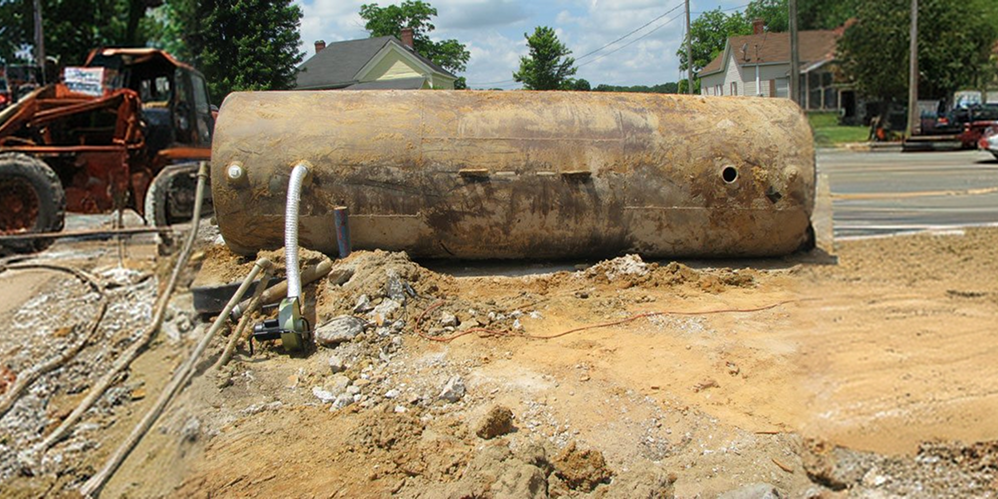
What Is a BUSTR Closure? Ohio's Underground Storage Tank Closure Process Explained
If you own or manage property with an underground storage tank in Ohio, “BUSTR closure” is a term worth understanding before you need it — not after a tank fails inspection or a sale falls through because of it. This guide explains what BUSTR closure means, what triggers it, what the process actually involves from start to finish, and what tends to cause delays along the way.
What BUSTR Stands For
BUSTR refers to Ohio’s Bureau of Underground Storage Tank Regulations. A BUSTR closure is the proper removal or closure of a regulated underground storage tank system in accordance with those state requirements — it’s the formal, documented process that confirms a tank was taken out of service correctly, not just physically removed from the ground.
This distinction matters more than it might seem. A tank can be physically dug up and hauled away without ever going through a proper BUSTR closure, which leaves the property owner without the documentation that proves the closure met state requirements — a problem that often surfaces later, during a property sale or refinance.
The Closure Process, Step by Step
A BUSTR closure typically includes tank removal, cleaning, soil assessment, documentation, regulatory reporting, and final closure approval. The exact requirements depend on site conditions and whatever contamination is found along the way — corrective action needs vary from site to site, which is why two closures on paper-identical tanks can look very different in practice.
Soil assessment happens immediately after the tank is removed, while the excavation is still open, since this is the only opportunity to directly sample the soil beneath and around where the tank sat. If contamination is confirmed at this stage, the project scope expands from a routine closure into a corrective action process.
What Triggers a Closure
Closures come up for a range of reasons: a property sale, a tank reaching the end of its service life, a planned redevelopment, or a discovered leak. On that last point — generally, a leaking tank should not remain in service until the cause of the release is investigated and addressed, since continued operation increases contamination, liability, and regulatory exposure.
Property transactions are one of the most common triggers in practice. A buyer’s lender or title company frequently requires confirmation that any USTs on the property have been properly closed, which means an incomplete or undocumented closure can hold up or kill a sale entirely.
If Contamination Turns Up During Closure
It’s common for soil assessment during closure to reveal contamination that wasn’t visible or suspected beforehand. When that happens, the closure process expands to include the corrective action needed to address it — which is part of why a fixed-price closure quote should be treated with caution before excavation confirms what’s actually there. See our full storage tank removal services for how ERC scopes these projects from initial removal through any corrective action that’s needed.
Common Reasons Closures Get Delayed
Beyond confirmed contamination, a handful of practical issues tend to slow down BUSTR closures: incomplete historical records about the tank’s age, construction, or contents; utility conflicts discovered during excavation that require additional coordination; and regulatory review timelines that don’t move as fast as the physical work does. Property owners who start the closure process well ahead of a planned sale or redevelopment date give themselves a meaningful buffer against these common delays.
What Documentation You'll Actually Receive
A properly completed BUSTR closure should leave you with a documented paper trail: tank removal records, soil sampling results, disposal manifests for the tank and any contaminated material, and final closure approval from the regulatory agency. Keep this documentation permanently — it’s frequently requested years later during a property sale, refinance, or insurance review, and reconstructing it after the fact is far more difficult than filing it away when the project closes out.
How Long a BUSTR Closure Takes
A straightforward closure with no contamination can often be completed within about a week of mobilization, covering removal, sampling, and initial documentation. If contamination is found, the timeline extends to accommodate corrective action and confirmation sampling — which can add weeks or, in more significant cases, months before final closure approval comes through.
What Property Owners Should Do Before Listing a Property
If you know or suspect there’s an underground storage tank on a property you’re planning to sell, start the closure process before you list it, not after an offer comes in. Buyers and their lenders will almost always ask about UST status during due diligence, and having documentation already in hand — rather than promising to “handle it before closing” — keeps a transaction moving instead of stalling it at the worst possible moment in the deal.
Choosing a BUSTR-Licensed Contractor
Qualified environmental contractors with tank closure experience and proper licensing for underground storage tank removals should understand permitting, excavation, contamination assessment, regulated waste management, transportation, and regulatory reporting — all of it, not just the physical removal. ERC provides underground and aboveground storage tank removal and BUSTR closure support throughout Ohio and the Midwest.
How BUSTR Closure Relates to Underground Tank Removal Generally
A BUSTR closure is specifically the Ohio-regulated version of a broader process that applies to underground storage tanks across the country — the closure requirements, terminology, and regulatory agency differ by state, but the underlying logic is the same everywhere: confirm the tank is out of service correctly, document what was found, and get formal sign-off before the site is considered closed. Property owners operating across state lines should expect the specific paperwork to differ even when the physical removal work looks similar.
What a Site Looks Like Once Closure Is Complete
After a successful BUSTR closure, the excavation is backfilled and compacted, the surface is restored to match the surrounding property (paving, landscaping, or whatever the site calls for), and the property owner receives the full documentation package. From the surface, there’s often no visible sign a tank was ever there — which is exactly the point, and exactly why the paperwork matters so much: it’s the only remaining evidence the closure happened and happened correctly.
Working With ERC on Your BUSTR Closure
ERC handles BUSTR closures as part of our broader underground and aboveground storage tank services, self-performing removal, soil assessment, and coordination of any corrective action needed — with the same crews and project management from mobilization through final documentation. That continuity matters on closures where contamination turns up mid-project, since there’s no handoff delay while a new team gets up to speed on what’s already been found.
Frequently Asked Questions
A BUSTR (Bureau of Underground Storage Tanks Regulations) closure refers to the proper removal or closure of regulated underground storage tank systems in accordance with Ohio’s requirements. The process typically includes tank removal, cleaning, soil assessment, documentation, regulatory reporting, and final closure approval.
Generally, leaking tanks should not remain in service until the cause of the release is investigated and addressed. Continued operation may increase contamination, liability, and regulatory consequences. Environmental professionals can evaluate the release and determine corrective actions.
Qualified environmental contractors with tank closure experience, licensed for underground storage tank removals, perform fuel tank removals, and should understand permitting, excavation, contamination assessment, regulated waste management, transportation, and regulatory reporting requirements.
Lenders and title companies frequently require confirmation that underground storage tanks on a property have been properly closed before a sale can proceed. An incomplete or undocumented closure can delay or prevent a property transaction.
A straightforward closure with no contamination found can often be completed within about a week. If contamination is discovered, the timeline extends to accommodate corrective action and confirmation sampling, which can add weeks or months before final approval.
Common causes include incomplete historical records about the tank, utility conflicts discovered during excavation, and regulatory review timelines. Starting the closure process well ahead of a planned sale or redevelopment date helps avoid these delays affecting your timeline.
Yes. Every state regulates underground storage tank closure, though the specific agency, terminology, and paperwork differ. The underlying process is similar everywhere: confirm the tank is out of service correctly, document findings, and obtain formal regulatory sign-off.
