Understanding Ohio's Brownfield Redevelopment & Cleanup Process – should we add a link the Ohio Brownfield Remediation Grant program here?
A former industrial site sitting empty isn’t just a lost opportunity — it’s often a property nobody wants to touch because the environmental unknowns feel too big to price. Brownfield redevelopment exists to change that. This guide covers how the process actually works, who’s involved at each stage, what due diligence looks like before you buy, and what it takes to turn a contaminated site into usable land again.
Who's Actually Involved in a Brownfield Project
Brownfield redevelopment typically involves environmental consultants, engineers, an environmental remediation contractor, demolition contractors (unless the remediation contractor can self-perform demolition), and developers. Environmental contractors specifically handle contaminated soil removal, waste transportation, site grading, restoration, and infrastructure preparation — the physical work that makes the site buildable again.
Coordinating this many parties is often the hardest part of a brownfield project, harder in practice than the remediation work itself. A contractor who can self-perform both demolition and remediation removes one entire coordination point, which is a meaningful advantage on tight timelines.
Environmental Due Diligence Before You Buy
Before acquiring a potential brownfield property, most buyers commission a Phase I Environmental Site Assessment — a records review and site inspection to identify potential contamination risks based on the property’s history. If that assessment flags concerns, a Phase II assessment follows, which involves actual soil and groundwater sampling to confirm whether contamination is present and, if so, roughly how extensive it is.
This due diligence step matters enormously for pricing a deal correctly. A buyer who skips it, or relies on an outdated assessment, risks discovering significant remediation costs only after closing — at which point negotiating leverage on price is gone. Involving an experienced remediation contractor early, even just to sanity-check a consultant’s cost estimates, is a worthwhile step before finalizing a purchase agreement.
What Happens During a VAP Cleanup – should we ad a link to the ohio vape pa site?
Ohio’s Voluntary Action Program (VAP) generally involves investigation, risk evaluation, remediation planning, contamination removal or treatment, confirmation sampling, and regulatory documentation. Environmental consultants and contractors work together throughout to meet cleanup objectives and support whatever redevelopment is planned for the site.
The “voluntary” part of VAP refers to the property owner choosing to pursue formal cleanup and closure, rather than being under a regulatory enforcement order. Completing the program results in a covenant not to sue from the state, which is often the piece of paper that actually unlocks financing or a sale for a previously contaminated property.
Can Grant Money Help Pay for It? Many federal programs could be linked here
Many federal, state, and local grant programs can help offset investigation and cleanup costs on eligible brownfield properties. Funding availability varies significantly by location and project type, so it’s worth having an early conversation with your environmental consultant or redevelopment team about what’s currently available for your specific site. Programs and deadlines change over time, so don’t rely on outdated information — confirm current availability directly before building a project budget around a specific grant.
How Long Does It Actually Take?
Project duration depends on site size, contamination type, regulatory requirements, available funding, redevelopment goals, and even weather. Smaller projects can wrap up in weeks; larger redevelopment efforts, especially ones involving demolition and multiple contamination types, can take months or longer.
One of the most common causes of delay isn’t the physical work — it’s waiting on regulatory review or funding approval between phases. A contractor experienced in brownfield work will help you sequence the project to keep field work moving wherever possible, rather than sitting idle during administrative gaps.
What Physical Work Actually Happens On Site
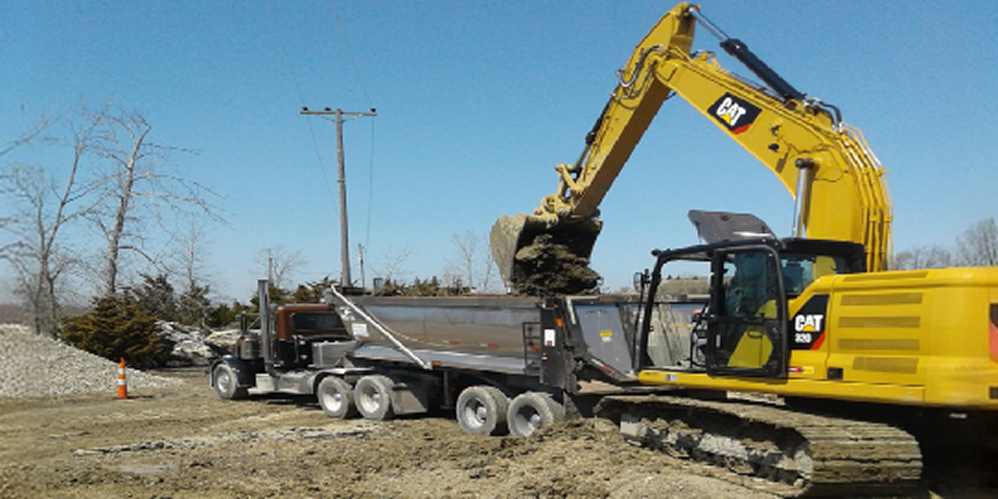
Depending on the site, brownfield fieldwork typically includes demolition of existing structures, contaminated soil excavation and disposal, groundwater treatment if needed, in-situ soil mixing or stabilization, and final site grading to prepare the property for its next use. The sequence matters: demolition debris often needs to be characterized and disposed of correctly before excavation can begin underneath it, and utility relocation frequently has to happen before major earthwork starts.
Common Brownfield Site Types
The most common brownfield sites ERC works on include former gas stations and fueling facilities, closed manufacturing and industrial plants, old dry-cleaning operations, and properties with a documented history of chemical storage or handling. Each type tends to carry a different, fairly predictable contamination profile — petroleum products at former fueling sites, solvents at former dry cleaners, a wider range of industrial chemicals at manufacturing sites — which helps experienced contractors scope initial assessments more efficiently.
A Real Brownfield Project: Port Clinton, Ohio
ERC served as General Contractor for demolition, in-situ soil mixing, and waste disposal at a former Cooper Tire property in Port Clinton, Ohio — see the full property demolition and remediation case study for what that process looked like end to end, including how demolition and remediation were sequenced on the same site.
Working With a Contractor Who's Done This Before
Brownfield redevelopment rewards contractors who have actually managed the full sequence — demolition, remediation, waste characterization, and site restoration — rather than firms that specialize in only one piece. ERC’s project history includes brownfield work as General Contractor, meaning we’ve managed the full coordination chain directly rather than as a subcontractor waiting on someone else’s schedule.
Common Reasons Brownfield Timelines Slip
Beyond the contamination itself, brownfield projects most often lose time to a handful of predictable causes: incomplete or missing historical records about the site’s past uses, utility conflicts discovered mid-excavation, funding approvals that take longer than the physical work does, and demolition permits that get held up by unrelated code issues on aging structures. None of these are usually the fault of the remediation contractor, but a contractor experienced in brownfield work will flag these risks during planning rather than let the project run into them unprepared.
What to Ask Before You Commit to a Redevelopment Timeline
If a redevelopment schedule or financing plan depends on a specific completion date, ask your environmental team directly what could push that date, and how much buffer is realistic given the site’s known and unknown conditions. A contractor with real brownfield experience will give you a range grounded in comparable past projects rather than a single optimistic number — that honesty upfront is worth far more than a schedule that looks good on paper but doesn’t survive first contact with actual site conditions.
Frequently Asked Questions
Brownfield redevelopment projects typically involve environmental consultants, engineers, an environmental remediation contractor, demolition contractors (unless the remediation contractor can perform demolition), and developers. Environmental contractors perform activities such as contaminated soil removal, waste transportation, site grading, restoration, and infrastructure preparation.
A Voluntary Action Program (VAP) cleanup generally involves investigation, risk evaluation, remediation planning, contamination removal or treatment, confirmation sampling, and regulatory documentation. Qualified environmental consultants and contractors work together to meet cleanup objectives and support future redevelopment goals.
Many federal, state, and local grant programs can help offset environmental investigation and cleanup costs on eligible brownfield properties. Funding availability varies by location and project type. Environmental consultants and redevelopment professionals can often help identify available funding sources.
Project duration varies depending on site size, contamination type, regulatory requirements, available funding, redevelopment goals, and weather conditions. Some projects can be completed in weeks, while larger redevelopment efforts may take months or longer.
Successfully completing Ohio’s Voluntary Action Program typically results in a covenant not to sue from the state, which confirms the site has been properly investigated and remediated. This documentation often plays a key role in financing or selling a previously contaminated property.
A Phase I assessment is a records review and site inspection to identify potential contamination risks based on a property’s history. If concerns are flagged, a Phase II assessment follows, involving actual soil and groundwater sampling to confirm whether contamination is present and how extensive it may be.
Beyond contamination itself, brownfield timelines most often slip due to incomplete historical site records, utility conflicts found during excavation, funding approvals taking longer than the physical work, and permitting issues unrelated to environmental conditions. Experienced brownfield contractors plan around these known risks.
