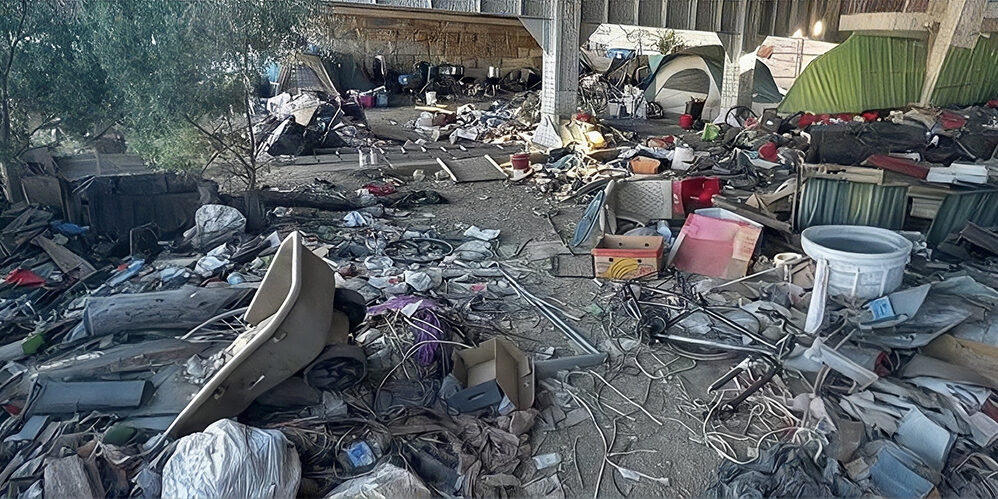
Illegal dumping starts small. A mattress behind a vacant lot, a few bags along a back road, a pile of construction debris at the edge of a creek. Left alone, it grows. Dumpers go where dumping has already happened, and a site that begins as an eyesore can become a hazard, a liability, and a cleanup bill that keeps climbing.
This guide is for city and county crews, public works and code enforcement staff, park and land managers, and private owners who find themselves with someone else’s waste. It covers what to look for, how to clean up safely, and how to keep the site from filling up again.
What Counts as Illegal Dumping
Illegal dumping, often called open dumping, is disposing of waste anywhere other than a permitted facility. Ohio law, for example, prohibits disposing of solid waste by open dumping (Ohio Revised Code 3734.03), and other states have comparable rules. Common materials include:
- Household junk, furniture, and mattresses
- Construction and demolition debris
- Tires
- Appliances and electronics
- Yard waste and brush
- Drums, buckets, and chemical containers
- Needles and other sharps
- Asbestos-containing materials and other regulated waste
Why It's More Than a Litter Problem
- Unknown hazards: Unlabeled containers, sharps, broken glass, and suspect building materials can hurt crews and the public.
- Environmental damage: Rain pulls contaminants out of dumped waste and carries them to soil, storm drains, and streams.
- Fire risk: Tires, mattresses, and debris piles burn hot and are difficult to put out.
- Public health: Piles attract pests and hold standing water.
- Liability: The property owner is often responsible for the waste, even though they didn’t put it there.
- More dumping: A site that’s visibly neglected tells the next person it’s safe to dump.
Step 1: Assess Before You Clean
Never send a crew into a dump site without looking first.
- Walk the site and photograph it before anything is touched. These photos support enforcement and cost recovery.
- Look for unknowns: drums, containers, strong odors, stained soil, or anything that appears to be leaking.
- Check for physical hazards such as sharps, unstable piles, and standing water.
- Note how close the site is to creeks, storm drains, and wetlands.
- Confirm who owns the property and how equipment can get in.
Step 2: Plan the Cleanup
A good plan sorts the material by how it has to be handled:
- Ordinary solid waste and bulk items: Debris, furniture, and trash that can go to a permitted landfill.
- Recyclables: Scrap metal and other materials that can be diverted.
- Tires: Scrap tires are typically regulated separately and have to go to approved facilities.
- Regulated or hazardous materials: Drums, chemicals, and asbestos-containing material need trained crews, proper characterization, and disposal at a facility permitted for that waste.
- Soil beneath the pile: If something leaked, the soil may need sampling and separate handling.
Step 3: Clean Up Safely
- Use trained crews with the right protective equipment.
- Sort material at the pile as it’s removed.
- Treat unknown containers as hazardous until identified. Don’t open, move, or combine them. Our drum pickup and disposal service handles this.
- Weigh and document every load, and keep the disposal tickets.
- Walk the site again to confirm nothing is left behind.
- Restore the area so it’s easy to see and hard to dump on again.
Where liquids, sludge, or water have collected, a vacuum crew may be needed. See our vacuum truck services.
Encampment Cleanups
Cleaning a site where people have been living takes additional care. Crews may encounter needles, human waste, biohazards, propane cylinders, and unstable structures, along with personal belongings that belong to people. Most communities have notice and storage procedures for personal property, and the right approach is usually set by local policy and legal counsel working with outreach providers.
A contractor’s role is to carry out the physical cleanup safely, on the schedule the owner sets, with trained crews and clear documentation. Learn more about our illegal dumping and encampment cleanup services.
Who Pays for the Cleanup
Responsibility usually lands on the property owner, which for a municipality means taxpayers. Costs can sometimes be recovered when the dumper is identified, which is why documentation matters. Some state and local programs also offer funding or cleanup support. Check with your state environmental agency and your county or regional solid waste district about what’s available.
How to Keep It From Coming Back
- Clean it fast: Waste that stays invites more waste.
- Block access: Gates, boulders, and barriers at pull-offs and field entrances.
- Add visibility: Lighting, cameras, and clear sightlines.
- Post the rules: Signs that state the penalties and give a number to report dumping.
- Make disposal easy: Free or low-cost drop-off days and convenient collection points.
- Patrol repeat spots: Most dumping clusters in the same few places.
Choosing a Contractor
- HAZWOPER-trained crews, in case you find drums, chemicals, or other unknowns
- Experience with bulk debris, tires, and drummed waste
- Disposal paperwork and weigh tickets for every load
- Before-and-after photo documentation
- Clear pricing, whether by load, by ton, or time and materials
- Fast mobilization and experience working with municipalities
ERC’s crews are 40-hour HAZWOPER-trained, and our emergency response team is available around the clock when a dump site turns out to be something more serious.
Frequently Asked Questions
Disposing of waste anywhere other than a permitted facility. That includes household junk, construction debris, tires, appliances, chemical containers, and any other material left on public or private land without authorization.
Usually the property owner, even when the owner didn’t dump the waste. If the dumpers are identified, local authorities may pursue them for costs and penalties, which is why photos and records matter.
No. Unknown containers shouldn’t be opened, moved, or combined until trained personnel identify what’s inside. Some contain hazardous or reactive material. Call a HAZWOPER-trained contractor.
Scrap tires are generally regulated separately from other waste and have to go to approved facilities. Specific rules vary by state.
Clean sites quickly, block vehicle access, add lighting and cameras, post penalties, offer easy legal disposal options, and patrol the spots where dumping keeps recurring.
