Former Warren Coal Gasification Plant Brownfield Remediation
Warren, Ohio | PCB Remediation | Contaminated Soil Removal | Brownfield Redevelopment
Environmental Remediation Contractor (ERC) served as the prime remediation contractor for the cleanup of the former Coal Gasification Plant, a 3.27-acre brownfield property in Warren, Ohio.
Environmental investigations identified multiple contaminants, including PCBs, lead, mercury, petroleum hydrocarbons, cyanide, impacted groundwater, and petroleum free product. PCB concentrations above applicable TSCA thresholds required regulated remediation, hazardous and non-hazardous waste management, environmental controls, documentation, and coordination with the project’s environmental consultant.
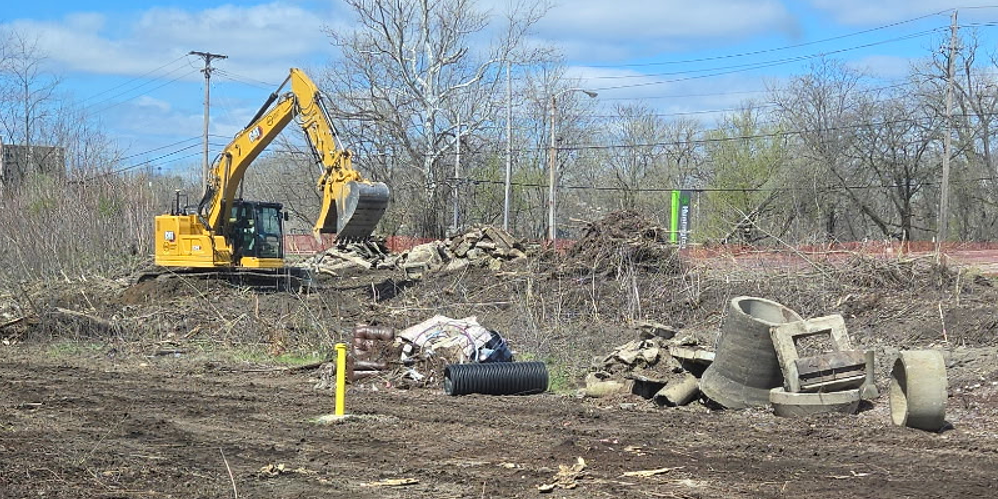
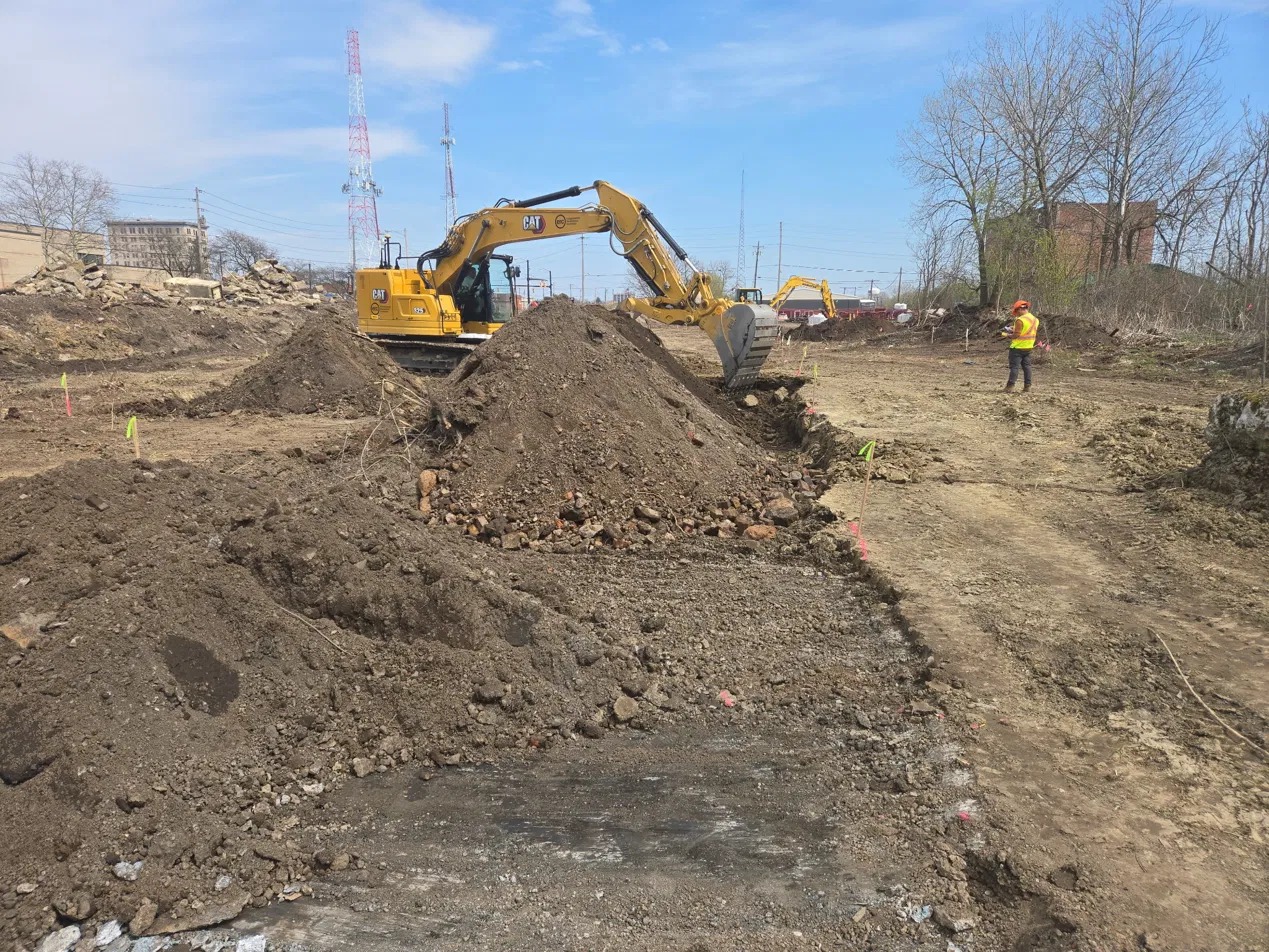
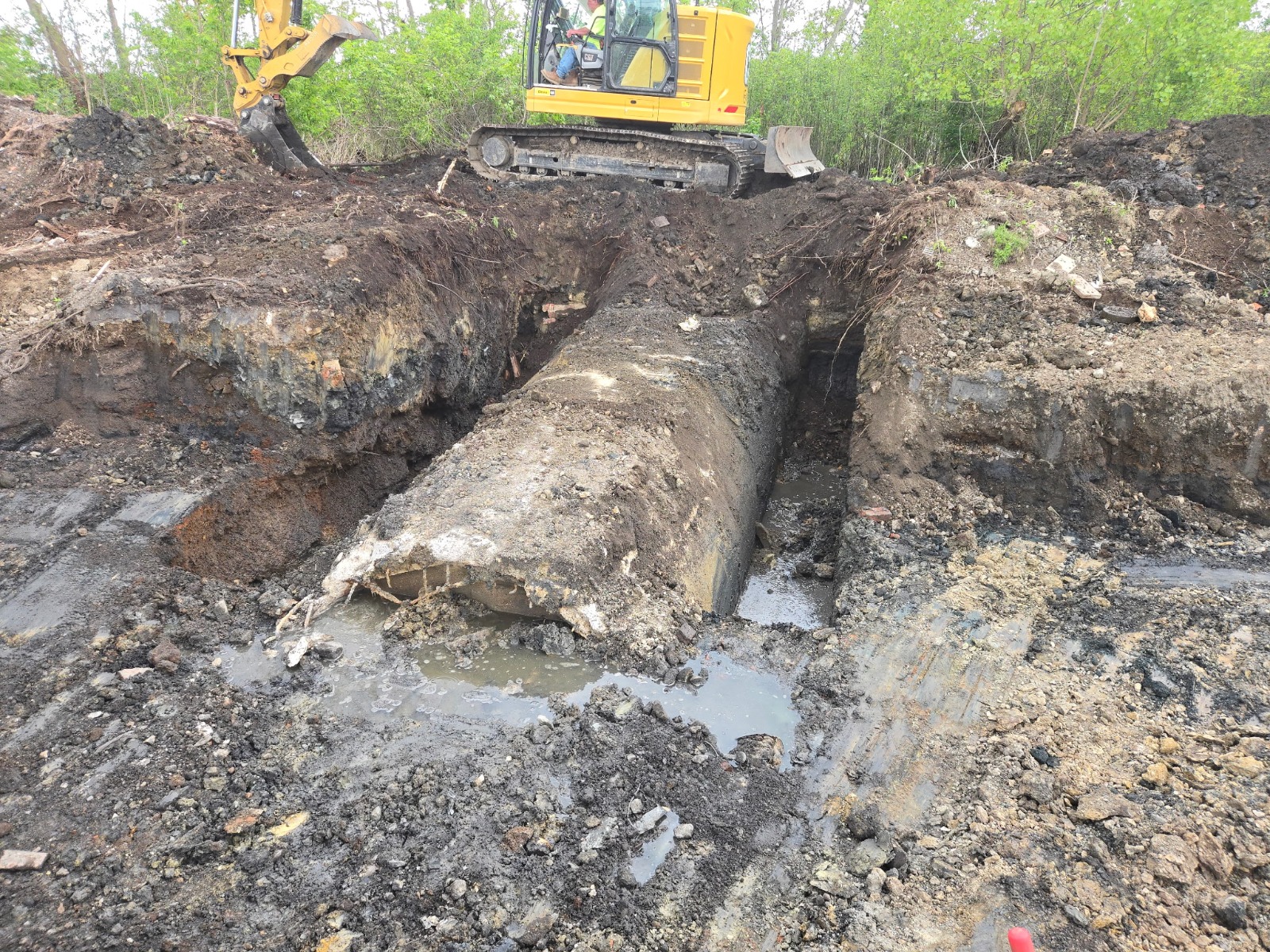
ERC performed the remediation work necessary to remove contaminated material, recover petroleum-impacted liquids, manage multiple waste streams, place clean backfill, restore the site, and advance the property toward future redevelopment.
Project at a Glance
- Location: Warren, Ohio
- Client: Trumbull County Land Reutilization Corporation / Trumbull County Land Bank
- Environmental Consultant: Brownfield Restoration Group
- Prime Remediation Contractor: Environmental Remediation Contractor (ERC)
- Contract Value: over $775,000
Key Project Results
- 844 tons of hazardous PCB-impacted soil removed and disposed
- 222 tons of non-hazardous PCB-impacted soil removed and disposed
- 250 tons of hazardous free-product impacted soil removed and disposed
- Approximately 1,000 gallons of contaminated free product and oily water recovered and disposed
- 190 linear feet of free-product recovery trench installed
- Approximately 1,100 tons of clean backfill placed
- More than 3,200 cubic yards of imported fill placed
- Monitoring wells abandoned
- Mercury-impacted soil excavated and consolidated
- Site graded, capped, stabilized, and prepared for continued redevelopment
What Was the Environmental Problem at the Warren Brownfield Site?
The former Warren Coal Gasification Plant had a long industrial history dating to the late 1800s.
Environmental investigation identified widespread contamination involving PCBs, lead, mercury, petroleum hydrocarbons, cyanide, impacted groundwater, and petroleum free product.
A major issue was PCB contamination at concentrations requiring TSCA-regulated remediation. Petroleum free product and contaminated soil also presented environmental concerns, including potential impacts to groundwater and the nearby Mahoning River.
The property owner needed an environmental remediation contractor capable of managing several contamination issues and waste streams within one coordinated project.
How Did ERC Remediate the Contaminated Site?
ERC implemented a multi-phase remediation program under the direction of Brownfield Restoration Group.
The work included excavation, transportation, and disposal of hazardous and non-hazardous PCB-impacted soil; management of petroleum-impacted materials; recovery of contaminated liquids and free product; monitoring well abandonment; installation of a free-product recovery trench; mercury-impacted soil excavation; clean backfill placement; grading; capping; stabilization; and site restoration.
Because several types of contaminated materials were present, ERC had to segregate and properly manage multiple waste streams while maintaining health and safety controls, dust suppression, environmental documentation, and regulatory compliance.
How Was PCB-Contaminated Soil Managed?
ERC excavated, transported, and disposed of both hazardous and non-hazardous PCB-impacted soil generated during remediation.
Approximately:
- 844 tons of hazardous PCB-impacted soil were removed.
- 222 tons of non-hazardous PCB-impacted soil were removed.
The project required careful management of PCB-contaminated material because portions of the site were subject to TSCA-related remediation requirements.
How Was Petroleum Free Product Addressed?
Petroleum free product and oily water were present at the site.
ERC installed approximately 190 linear feet of free-product recovery trench and recovered approximately 1,000 gallons of petroleum product and contaminated oily water for off-site disposal.
ERC also excavated and disposed of approximately 250 tons of hazardous free-product impacted soil.
This allowed the project team to address both contaminated soil and mobile petroleum contamination as part of the overall remediation program.
How Was Mercury-Impacted Soil Remediated?
After completion of the primary PCB remediation activities, ERC excavated and consolidated mercury-impacted soil in accordance with the project’s remediation requirements.
The affected areas were then incorporated into the site’s overall backfill, grading, capping, and stabilization program.
How Was the Site Restored After Contaminated Soil Was Removed?
Contaminated-soil removal is only part of a brownfield remediation project.
Following excavation and disposal activities, ERC imported and placed approximately 1,100 tons of clean backfill and more than 3,200 cubic yards of imported fill.
ERC then performed rough grading, remediation-area capping, final grading, and stabilization to support long-term site management and future redevelopment.
Why Was This Brownfield Remediation Project Complex?
This project required ERC to manage several environmental conditions simultaneously:
- TSCA-regulated PCB contamination
- Hazardous PCB-impacted soil
- Non-hazardous PCB-impacted soil
- Petroleum free product
- Petroleum-impacted soil and liquids
- Mercury-impacted soil
- Impacted groundwater
- Multiple waste streams
- Monitoring well abandonment
- Dust and erosion controls
- Clean backfill and site restoration
- Regulatory documentation
ERC’s role extended from contaminated-material excavation and waste management through final site restoration.
Can One Environmental Contractor Handle Excavation, Waste Disposal, Free-Product Recovery, and Site Restoration?
Yes. On complex remediation projects, using one prime environmental contractor to coordinate multiple scopes can simplify project execution.
At the Warren site, ERC managed contaminated-soil excavation, hazardous and non-hazardous waste streams, transportation and disposal, free-product recovery, recovery-trench installation, monitoring well abandonment, backfill placement, grading, capping, stabilization, and restoration.
This allowed the remediation work to progress as an integrated field operation rather than as a series of disconnected contractor scopes.
Who Performs PCB and Brownfield Remediation?
PCB and brownfield remediation should be performed by environmental contractors with the personnel, equipment, safety programs, waste-management experience, and regulatory knowledge appropriate for the contaminants and remediation plan involved.
ERC performs complex environmental remediation projects involving contaminated soil, petroleum releases, PCB-impacted material, hazardous and non-hazardous waste, underground storage tanks, groundwater impacts, and brownfield redevelopment.
ERC also works with environmental consultants and property owners to execute approved remediation plans in the field.
What Services Did ERC Provide on This Project?
ERC’s work included:
- TSCA PCB Remediation
- Hazardous Waste Excavation and Disposal
- Non-Hazardous Waste Excavation and Disposal
- Contaminated Soil Remediation
- Free-Product Recovery
- Petroleum-Impacted Soil Removal
- Monitoring Well Abandonment
- Brownfield Redevelopment Support
- Clean Backfill Placement
- Site Grading and Restoration
- Remediation Area Capping
- Dust and Erosion Control
- Regulatory Compliance and Documentation
Need a Contractor for a Complex Contaminated-Site Remediation Project?
Environmental Remediation Contractor provides field execution for complex environmental remediation projects involving contaminated soil, petroleum releases, hazardous and non-hazardous waste streams, PCB contamination, underground storage tanks, groundwater impacts, and brownfield redevelopment.
ERC can work directly with property owners, developers, public agencies, and environmental consultants to implement remediation plans from excavation and waste management through backfill, restoration, and project completion.