Fuel Storage Facility Diesel Spill Emergency Response and Remediation
Spencerville, Ohio | Emergency Spill Response | Hydrovac Excavation | Petroleum Soil Remediation
Environmental Remediation Contractor (ERC) served as the emergency response and site remediation contractor following a significant diesel release at an active fuel storage facility in Spencerville, Ohio.
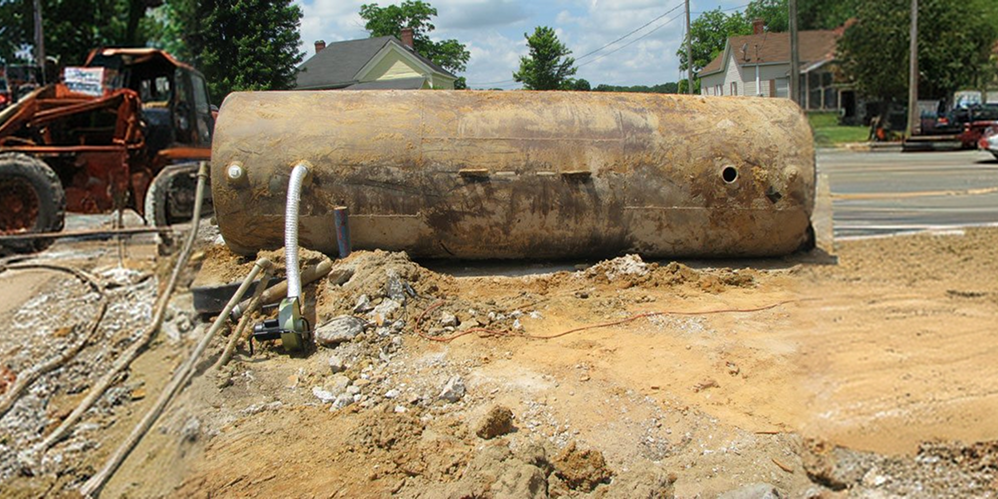
The release impacted soil within and around the facility, including constrained areas surrounding tanks and piping. The response required immediate containment, specialized excavation, controlled waste handling, environmental sampling, and restoration while preserving safe access to operating infrastructure.
ERC performed the work necessary to remove impacted material, manage multiple waste streams, confirm excavation limits, recover petroleum-affected liquid, and restore the excavation for continued site use.
Project at a Glance
- Location: Spencerville, Ohio
- Client: Confidential fuel storage operator
- ERC Role: Emergency Response and Site Remediation
- Contract Value: over $275,000
Key Project Results
- Diesel-impacted soil removed from constrained areas around active tanks and piping
- 11 lined roll-off boxes of impacted soil and slurry profiled and disposed
- 20 boundary-confirmation samples collected
- Monitoring wells installed
- More than 3,000 gallons of petroleum-affected liquid recovered
- 138 tons of clean #57 limestone placed to restore the excavation
What Was the Environmental Problem at the Fuel Storage Facility?
A significant diesel release impacted soil within and around an active fuel storage facility.
Impacted material was located in close proximity to tanks and piping, where conventional excavation alone could put operating infrastructure at risk.
The facility owner needed an environmental contractor capable of responding immediately, excavating safely around live infrastructure, managing waste streams, and documenting the cleanup.
How Did ERC Remediate the Diesel Release?
ERC mobilized immediately after notification and implemented a multi-method excavation approach.
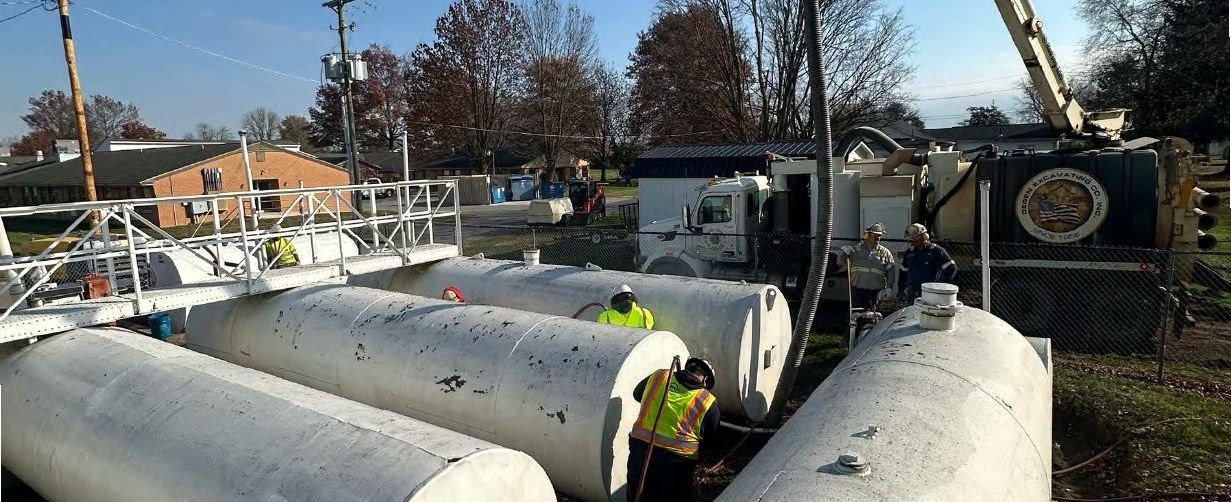
The work included air-knifing and hydrovac excavation in constrained areas, mechanical excavation of accessible soil, staging of recovered material in lined roll-off boxes, waste profiling, solidification, transportation and disposal, boundary-confirmation sampling, monitoring well installation, follow-up vacuum-truck recovery, and excavation restoration.
How Was Soil Removed Around Active Tanks and Piping?
In constrained areas around tanks and piping, ERC used air-knifing and hydrovac excavation to remove impacted material without placing operating infrastructure at risk.
Where soil could be safely accessed with conventional equipment, ERC performed mechanical excavation.
This combination allowed impacted material to be removed efficiently while preserving safe access to the facility.
How Were Soil and Slurry Waste Streams Managed?
Recovered soil and slurry were staged in lined roll-off boxes, profiled, solidified as needed, and transported for approved disposal.
Approximately 11 boxes of soil and slurry were managed through this process.
How Was the Cleanup Confirmed?
ERC collected 20 boundary-confirmation samples to document excavation limits.
Monitoring wells were also installed to support continued environmental management of the facility.
What Follow-Up Work Was Performed?
Following the primary cleanup, ERC completed follow-up vacuum-truck recovery through the monitoring wells over the following months.
More than 3,000 gallons of petroleum-affected liquid were recovered, supporting continued environmental management of the facility.
How Was the Site Restored?
Contaminated-soil removal is only part of a spill response project.
Following excavation, ERC restored the excavation with approximately 138 tons of clean #57 limestone, returning the area to a stable condition for continued site use.
Why Was This Spill Response Complex?
This project required ERC to manage several conditions simultaneously:
- Active fuel storage operations
- Impacted soil near tanks and piping
- Multiple excavation methods
- Soil and slurry waste streams
- Waste profiling and solidification
- Boundary-confirmation sampling
- Monitoring well installation
- Follow-up liquid recovery
- Excavation restoration
ERC’s role extended from initial emergency response through excavation, waste management, sampling, follow-up recovery, and restoration.
Can a Diesel Spill Be Cleaned Up Without Shutting Down a Fuel Facility?
In many cases, yes. Hydrovac and air-knife excavation allow impacted soil to be removed around active tanks and piping without placing operating infrastructure at risk.
At the Spencerville facility, ERC combined specialty excavation with mechanical excavation so the cleanup could proceed while safe access to operating infrastructure was preserved.
Who Performs Fuel Facility Spill Response and Remediation?
Fuel facility spill response should be performed by environmental contractors with the personnel, specialty excavation equipment, sampling capability, waste-management experience, and regulatory knowledge appropriate for the release.
ERC provides 24/7 emergency spill response with a live person answering the call at 877.683.7724. ERC works with municipal, industrial, fuel-storage, and transportation facilities.
What Services Did ERC Provide on This Project?
ERC’s work included:
- Emergency Spill Response
- Hydrovac Excavation
- Air-Knife Excavation
- Mechanical Excavation
- Waste Profiling and Solidification
- Transportation and Disposal
- Boundary-Confirmation Sampling
- Monitoring Well Installation
- Vacuum-Truck Liquid Recovery
- Excavation Restoration
Need a Contractor for a Petroleum Release at an Active Facility?
Environmental Remediation Contractor provides 24/7 emergency response and field execution for petroleum releases at fuel storage, industrial, municipal, and transportation facilities.
ERC can work directly with facility owners, public agencies, and environmental consultants to manage the response from initial containment and specialty excavation through sampling, waste management, and restoration.