Historic Waterfront Marina Soil Remediation & Redevelopment
Sandusky, Ohio | Contaminated Soil Removal | Lead Soil Stabilization | Waterfront Redevelopment
Environmental Remediation Contractor (ERC) was the prime contractor for environmental remediation at a historic waterfront marina in Sandusky, Ohio. The work got the property ready for a full marina rebuild.
The site had large volumes of PAH-impacted and lead-impacted soil. It also had old pavement, former pool facilities and outdated utilities that had to come out before redevelopment could start. The contaminated material had to be dug out, treated where needed, hauled away and disposed of in line with environmental and landfill requirements.
ERC removed the contaminated soil and stabilized the lead-impacted material. The team also cleared the old infrastructure, filled the excavated areas with clean backfill and handed over a site that was ready to build on.
Project at a Glance
- Location: Sandusky, Ohio
- Client: Private waterfront developer
- Engineering & Design: Marine and waterfront engineering consultant
- Prime Contractor: Environmental Remediation Contractor (ERC)
- Contract Value: over $2.5 million
Key Project Results
- 25,792 tons of contaminated soil excavated and disposed of
- 1,885 tons of lead-impacted soil treated
- About 57 tons of Blastox® amendment installed to stabilize lead
- An additional 100-ton lead soil pilot treatment area completed
- 3,230 tons of asphalt removed and disposed of
- 32,885 tons of clean imported backfill placed and compacted
- 3,100 linear feet of construction entrance filter sock installed
- Site prepared for a planned marina rebuild, including about 5,000 linear feet of new bulkhead
What Was the Environmental Problem at the Marina Site?
The marina was built in the 1930s. After decades of use it needed a complete redevelopment, and the ground beneath it had to be dealt with first.
Soil across the property contained PAHs (polycyclic aromatic hydrocarbons) and lead. That soil had to be removed or treated before new docks, utilities and waterfront facilities could go in. The old pavement, pool facilities and utilities also had to come out.
The site sits right on the water, so the crew also had to keep soil and sediment from washing off the site during excavation.
How Did ERC Prepare the Site for Redevelopment?
ERC’s plan had one goal: get the property ready for the next phase of construction.
The work included:
- site preparation and erosion controls
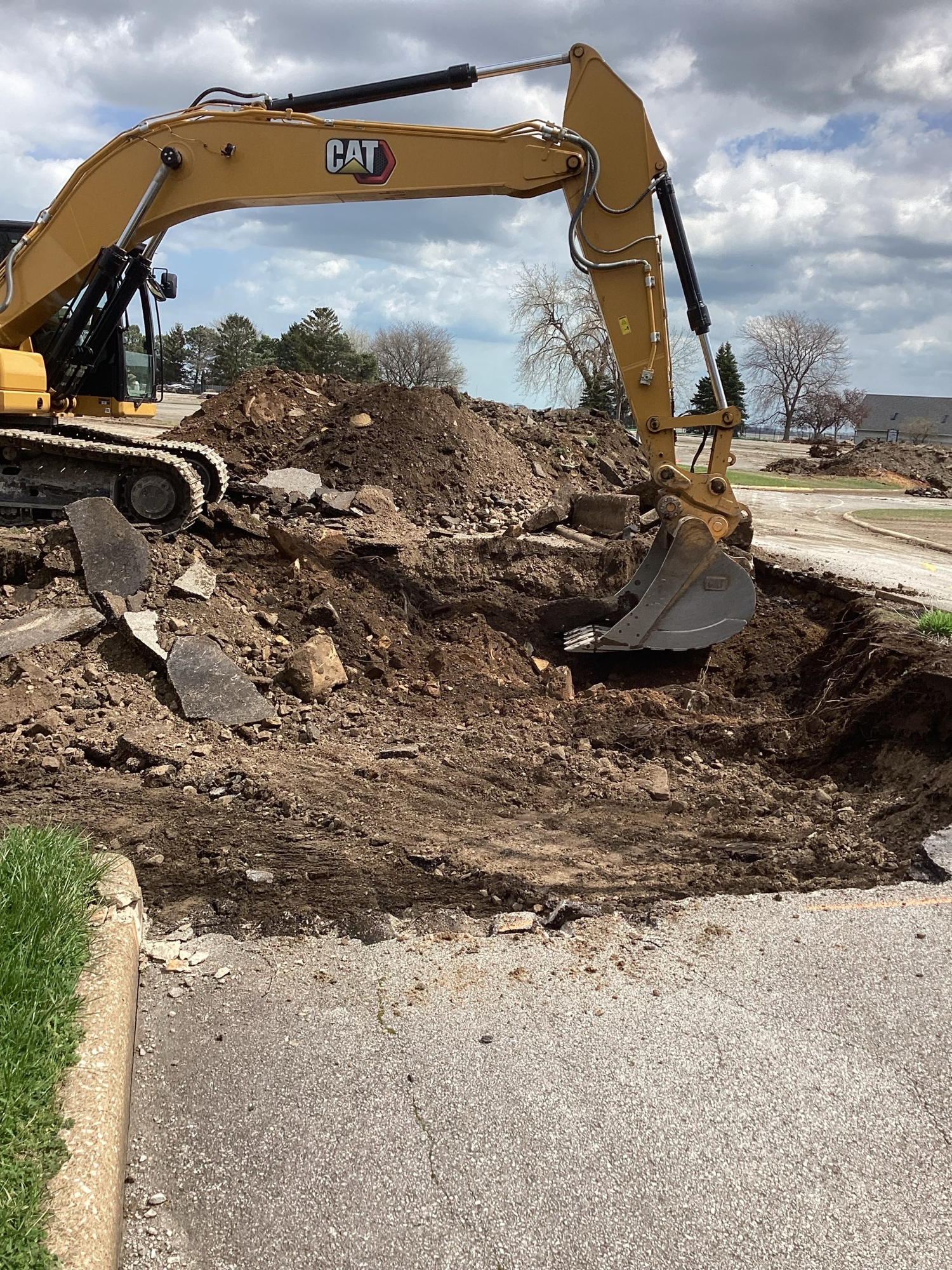
- demolition of the existing pavement and pool facilities
- utility removal and right-of-way demolition
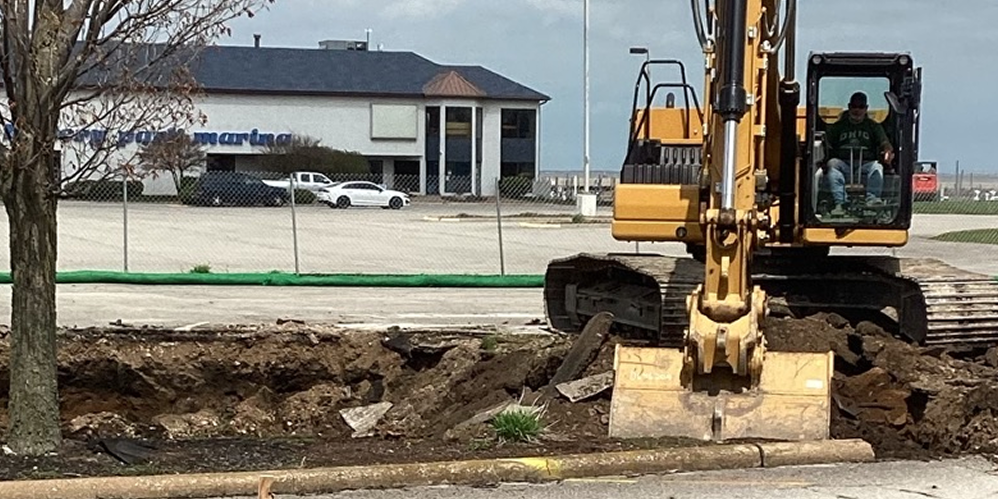
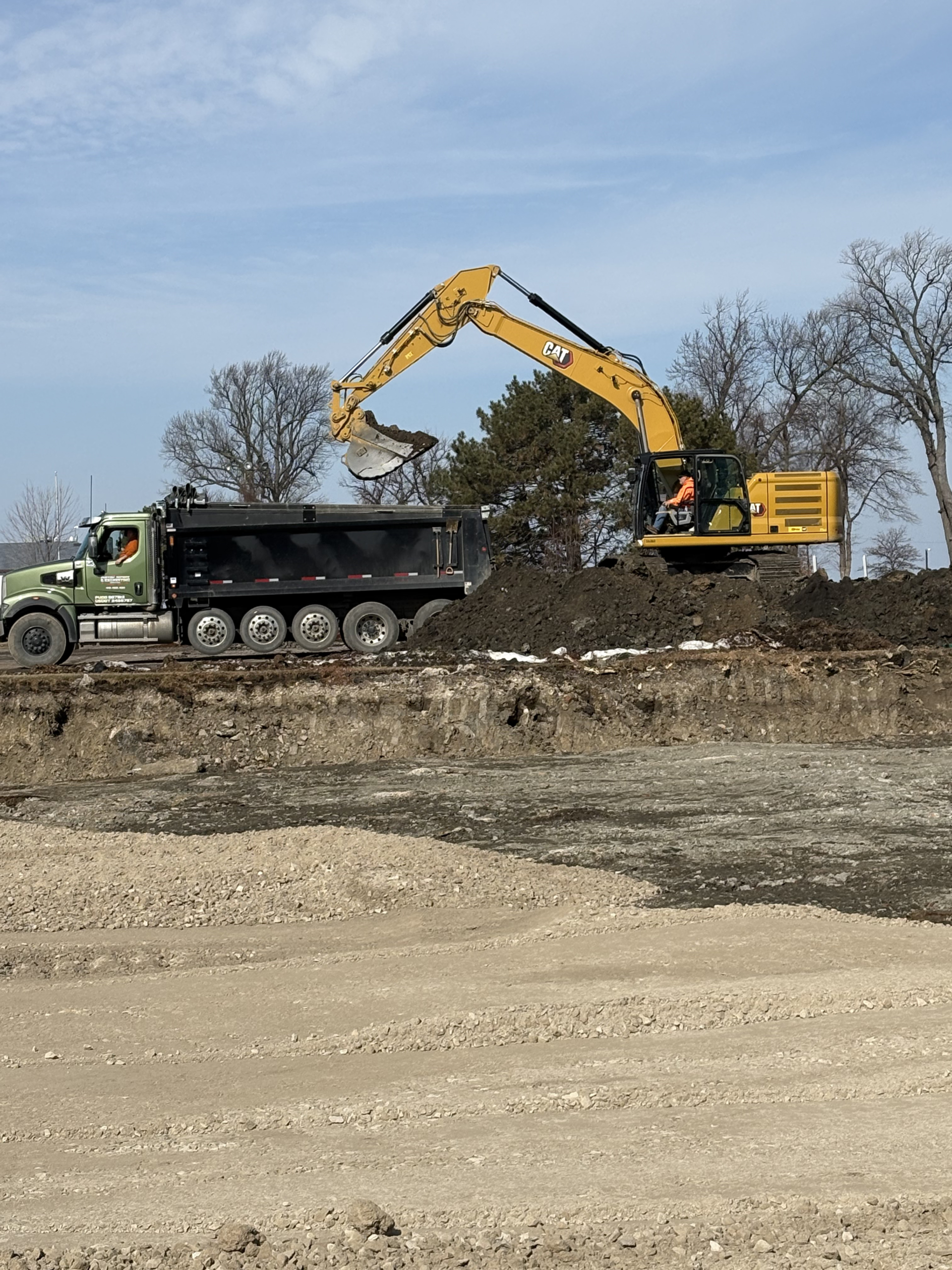
- excavating impacted soil and loading it straight onto trucks
- transporting and disposing of non-hazardous contaminated material
- stabilizing lead-impacted soil
- backfilling and compacting with clean imported aggregate
Every step was planned around the marina construction that would follow. The work also stayed within landfill, waste profiling, erosion control and environmental requirements.
How Was Lead-Impacted Soil Treated?
The lead-impacted soil was treated on site with Blastox®, a stabilization amendment that binds lead in the soil and reduces how much of it can leach out.
ERC treated 1,885 tons of lead-impacted soil and installed about 57 tons of Blastox®. The team also completed an additional 100-ton pilot treatment area.
Once the lead was stabilized, the material could be handled safely and disposed of in line with requirements.
How Was PAH-Impacted Soil Removed?
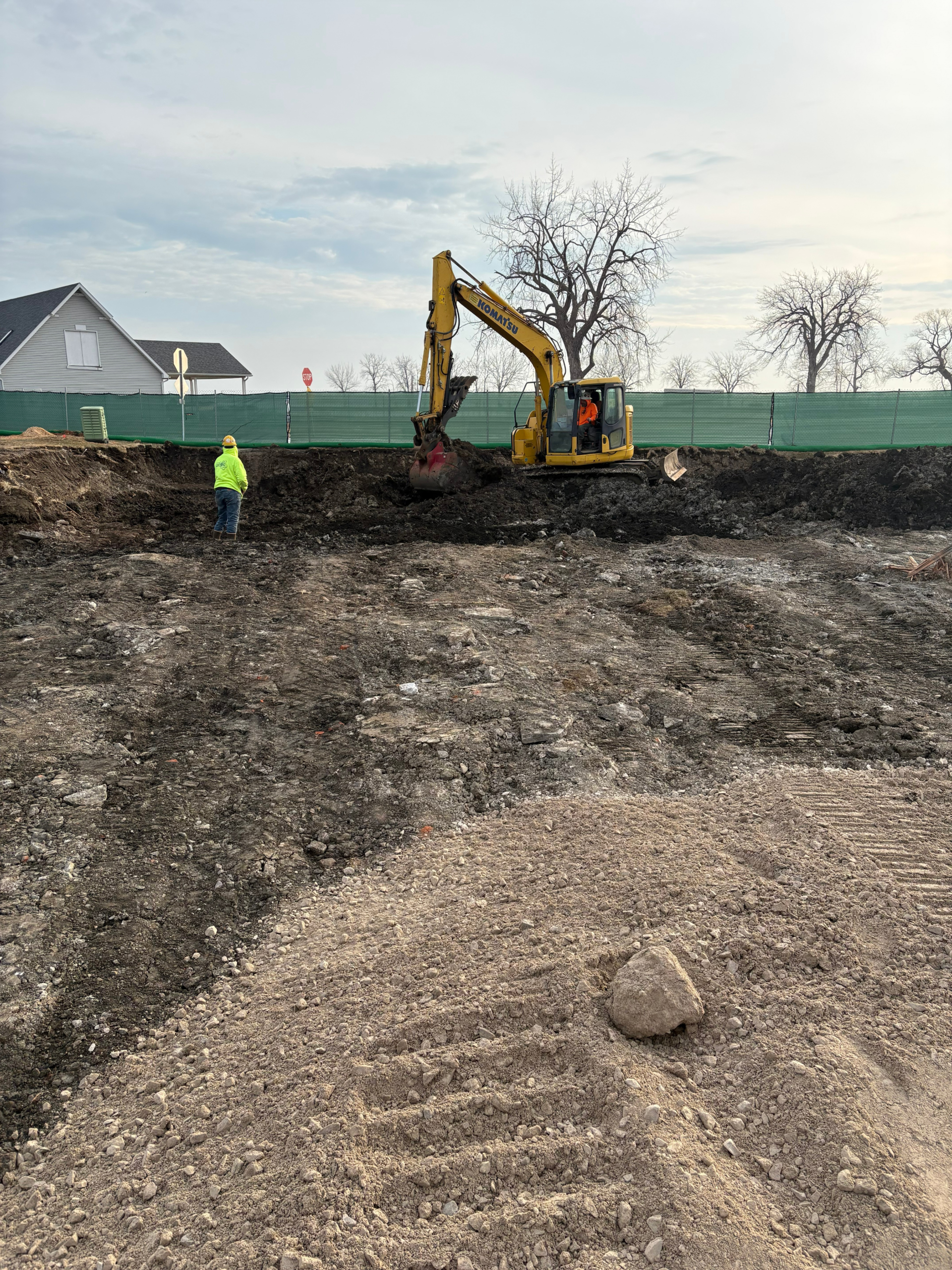
ERC dug out the PAH-impacted soil and loaded it straight onto trucks for disposal as non-hazardous contaminated material.
In total, 25,792 tons of contaminated soil were excavated and disposed of. Waste profiling and disposal coordination made sure every load was properly classified and accepted at the receiving facility.
What Demolition Was Required?
The old infrastructure had to be cleared before the new marina could take shape.
ERC demolished the existing pavement and former pool facilities, removed utilities and completed right-of-way demolition. That work included removing and disposing of 3,230 tons of asphalt.
How Was the Site Restored After the Contaminated Soil Was Removed?
Removing that much soil leaves large open excavations. ERC filled and compacted them with 32,885 tons of clean imported aggregate, which gave the new construction a stable, engineered base.
How Was the Waterfront Protected During Construction?
On a site next to open water, erosion and sediment control can’t be an afterthought.
ERC put erosion controls in place at the start of the project, including 3,100 linear feet of construction entrance filter sock. These helped keep soil and sediment on site and out of the water during excavation, hauling and backfilling.
Why Was This Project Complex?
ERC had to manage several conditions at once:
- PAH-impacted soil
- Lead-impacted soil that needed stabilization
- Large-volume excavation and direct loading
- Waste profiling and disposal coordination
- Demolition of pavement, pool facilities and utilities
- Right-of-way demolition
- Erosion and sediment control next to open water
- Clean backfill and compaction
- Scheduling around a larger redevelopment program
ERC’s role ran from site preparation and demolition through remediation, backfill and handover for construction.
Can Environmental Remediation Be Completed Ahead of a Larger Redevelopment?
Yes. On redevelopment projects, doing the environmental remediation first clears the way for the construction that follows.
At this marina, ERC removed the contaminated soil, stabilized the lead-impacted material, demolished the old infrastructure and restored the site with engineered backfill. The property was then ready for the next phase: new docks, utility systems, breakwater improvements, fuel facilities and about 5,000 linear feet of planned bulkhead replacement.
Who Performs Soil Remediation for Waterfront and Redevelopment Projects?
This kind of work should go to an environmental contractor with the right equipment, safety programs, waste-management experience and erosion-control know-how for the site.
ERC handles remediation involving contaminated soil, lead and metals stabilization, PAH-impacted material, hazardous and non-hazardous waste, demolition and site restoration. The team works with developers, property owners, engineers and environmental consultants to carry out remediation plans in the field.
What Services Did ERC Provide on This Project?
- Environmental Remediation
- Contaminated Soil Excavation and Disposal
- Lead-Impacted Soil Stabilization
- Demolition and Site Clearing
- Utility Removal and Right-of-Way Demolition
- Waste Profiling and Disposal Coordination
- Clean Backfill Placement and Compaction
- Erosion and Sediment Control
- Construction Support for Redevelopment Projects
Planning a Redevelopment on Impacted Ground?
Environmental Remediation Contractor carries out remediation projects in the field, including contaminated soil removal, lead and metals stabilization, demolition, waste management and site restoration.
ERC works directly with developers, property owners, public agencies, engineers and environmental consultants to get impacted property cleaned up and ready to build, from excavation and disposal through backfill and handover.