Understanding Ohio’s Brownfield Redevelopment and Cleanup Process
A former industrial site sitting empty isn’t just a lost opportunity — it’s often a property nobody wants to touch because the environmental unknowns feel too big to price. Brownfield redevelopment exists to change that. This guide covers how the process actually works, who’s involved at each stage, what due diligence looks like before you buy, and what it takes to turn a contaminated site into usable land again.
If your project may need cleanup funding, review the Ohio Brownfield Remediation Program early in planning. Eligibility, funding rounds, and application requirements should be checked against the current program guidance before they are built into a project budget.
Who's Actually Involved in a Brownfield Project
Brownfield redevelopment typically involves environmental consultants, engineers, an environmental remediation contractor, demolition contractors (unless the remediation contractor can self-perform demolition), and developers. Environmental contractors specifically handle contaminated soil removal, waste transportation, site grading, restoration, and infrastructure preparation — the physical work that makes the site buildable again.
Coordinating this many parties is often the hardest part of a brownfield project, harder in practice than the remediation work itself. A contractor who can self-perform both demolition and remediation removes one entire coordination point, which is a meaningful advantage on tight timelines.
Environmental Due Diligence Before You Buy
Before acquiring a potential brownfield property, most buyers commission a Phase I Environmental Site Assessment — a records review and site inspection to identify potential contamination risks based on the property’s history. If that assessment flags concerns, a Phase II assessment follows, which involves actual soil and groundwater sampling to confirm whether contamination is present and, if so, roughly how extensive it is.
This due diligence step matters enormously for pricing a deal correctly. A buyer who skips it, or relies on an outdated assessment, risks discovering significant remediation costs only after closing — at which point negotiating leverage on price is gone. Involving an experienced remediation contractor early, even just to sanity-check a consultant’s cost estimates, is a worthwhile step before finalizing a purchase agreement.
What Happens During an Ohio VAP Cleanup?
Ohio’s Voluntary Action Program (VAP) provides a pathway for eligible properties to investigate and address contamination under Ohio’s program rules. The work can involve assessment, risk evaluation, remedy selection and implementation, and verification by a certified professional. The appropriate path depends on the site and its planned use. Read the Ohio EPA VAP overview for current requirements and program materials.
In an eligible VAP project, a certified professional may prepare a No Further Action letter after the applicable standards have been addressed. The property owner can then seek a covenant not to sue from Ohio EPA. That protection is not automatic merely because physical cleanup is finished; the state’s review and any applicable conditions still matter. A prospective buyer or lender should review the actual site documents and use restrictions.
Can Grant Money Help Pay for Brownfield Cleanup?
Eligible projects may have access to state funding, federal Brownfields grants, or financing through a local revolving loan fund, depending on the applicant, site, and current funding round. Start with the Ohio Brownfield Remediation Program and the EPA Brownfields grants and funding hub. The EPA funding types page explains assessment, cleanup, multipurpose, and revolving-loan approaches. These programs have different eligibility rules; do not assume a private property owner can apply directly or that funds are available for every site.
How Long Does It Actually Take?
Project duration depends on site size, contamination type, regulatory requirements, available funding, redevelopment goals, and even weather. Smaller projects can wrap up in weeks; larger redevelopment efforts, especially ones involving demolition and multiple contamination types, can take months or longer.
One of the most common causes of delay isn’t the physical work — it’s waiting on regulatory review or funding approval between phases. A contractor experienced in brownfield work will help you sequence the project to keep field work moving wherever possible, rather than sitting idle during administrative gaps.
What Physical Work Actually Happens On Site
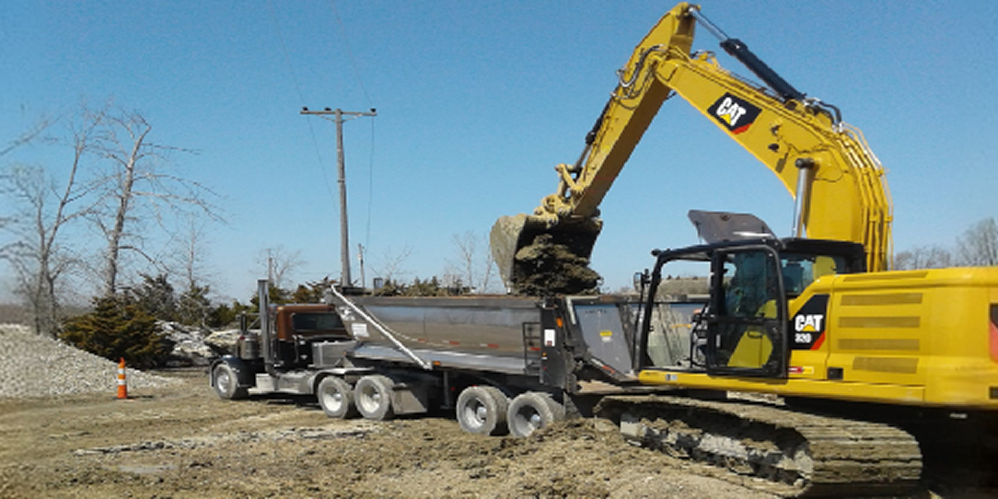
Depending on the site, brownfield fieldwork typically includes demolition of existing structures, contaminated soil excavation and disposal, groundwater treatment if needed, in-situ soil mixing or stabilization, and final site grading to prepare the property for its next use. The sequence matters: demolition debris often needs to be characterized and disposed of correctly before excavation can begin underneath it, and utility relocation frequently has to happen before major earthwork starts.
Common Brownfield Site Types
The most common brownfield sites ERC works on include former gas stations and fueling facilities, closed manufacturing and industrial plants, old dry-cleaning operations, and properties with a documented history of chemical storage or handling. Each type tends to carry a different, fairly predictable contamination profile — petroleum products at former fueling sites, solvents at former dry cleaners, a wider range of industrial chemicals at manufacturing sites — which helps experienced contractors scope initial assessments more efficiently.
A Real Brownfield Project: Port Clinton, Ohio
ERC served as General Contractor for demolition, in-situ soil mixing, and waste disposal at a former Cooper Tire property in Port Clinton, Ohio — see the full property demolition and remediation case study for what that process looked like end to end, including how demolition and remediation were sequenced on the same site.
Working With a Contractor Who's Done This Before
Brownfield redevelopment rewards contractors who have actually managed the full sequence — demolition, remediation, waste characterization, and site restoration — rather than firms that specialize in only one piece. ERC’s project history includes brownfield work as General Contractor, meaning we’ve managed the full coordination chain directly rather than as a subcontractor waiting on someone else’s schedule.
Common Reasons Brownfield Timelines Slip
Beyond the contamination itself, brownfield projects most often lose time to a handful of predictable causes: incomplete or missing historical records about the site’s past uses, utility conflicts discovered mid-excavation, funding approvals that take longer than the physical work does, and demolition permits that get held up by unrelated code issues on aging structures. None of these are usually the fault of the remediation contractor, but a contractor experienced in brownfield work will flag these risks during planning rather than let the project run into them unprepared.
What to Ask Before You Commit to a Redevelopment Timeline
If a redevelopment schedule or financing plan depends on a specific completion date, ask your environmental team directly what could push that date, and how much buffer is realistic given the site’s known and unknown conditions. A contractor with real brownfield experience will give you a range grounded in comparable past projects rather than a single optimistic number — that honesty upfront is worth far more than a schedule that looks good on paper but doesn’t survive first contact with actual site conditions.
Frequently Asked Questions
Brownfield redevelopment projects typically involve environmental consultants, engineers, an environmental remediation contractor, demolition contractors (unless the remediation contractor can perform demolition), and developers. Environmental contractors perform activities such as contaminated soil removal, waste transportation, site grading, restoration, and infrastructure preparation.
A Voluntary Action Program (VAP) cleanup generally involves investigation, risk evaluation, remediation planning, contamination removal or treatment, confirmation sampling, and regulatory documentation. Qualified environmental consultants and contractors work together to meet cleanup objectives and support future redevelopment goals.
Many federal, state, and local grant programs can help offset environmental investigation and cleanup costs on eligible brownfield properties. Funding availability varies by location and project type. Environmental consultants and redevelopment professionals can often help identify available funding sources.
Project duration varies depending on site size, contamination type, regulatory requirements, available funding, redevelopment goals, and weather conditions. Some projects can be completed in weeks, while larger redevelopment efforts may take months or longer.
A qualifying Ohio VAP project may result in a certified professional’s No Further Action letter and, after Ohio EPA review and approval, a covenant not to sue. The outcome is site-specific and can include conditions or use restrictions. Review the actual documents when financing, buying, or redeveloping a property.
A Phase I assessment is a records review and site inspection to identify potential contamination risks based on a property’s history. If concerns are flagged, a Phase II assessment follows, involving actual soil and groundwater sampling to confirm whether contamination is present and how extensive it may be.
Beyond contamination itself, brownfield timelines most often slip due to incomplete historical site records, utility conflicts found during excavation, funding approvals taking longer than the physical work, and permitting issues unrelated to environmental conditions. Experienced brownfield contractors plan around these known risks.

1 Comment