Former Chrome Plating Facility Demolition & Site Stabilization
Cleveland, Ohio | Hazardous Building Demolition | Chromium-Impacted Debris Disposal | Brownfield Site Stabilization
Environmental Remediation Contractor (ERC) served as the prime contractor for the demolition and environmental stabilization of a former hard-chrome plating facility in Cleveland, Ohio.
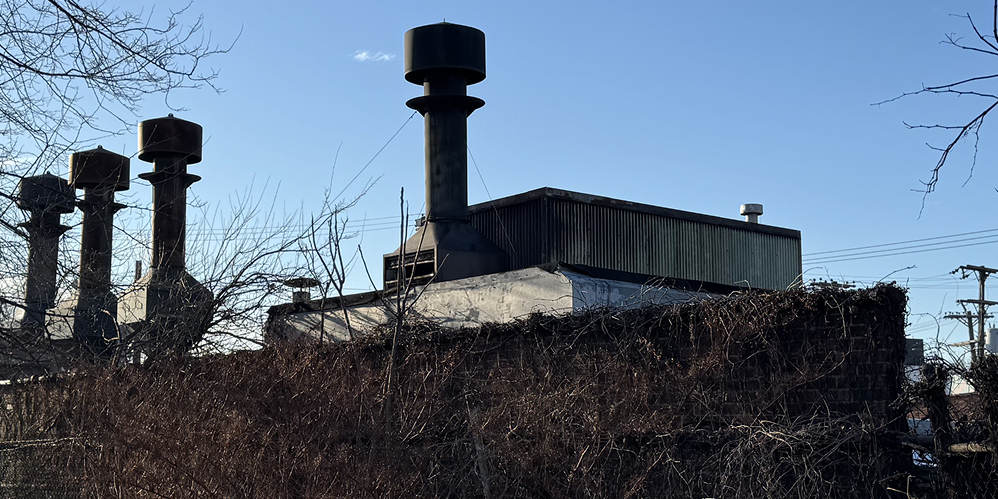
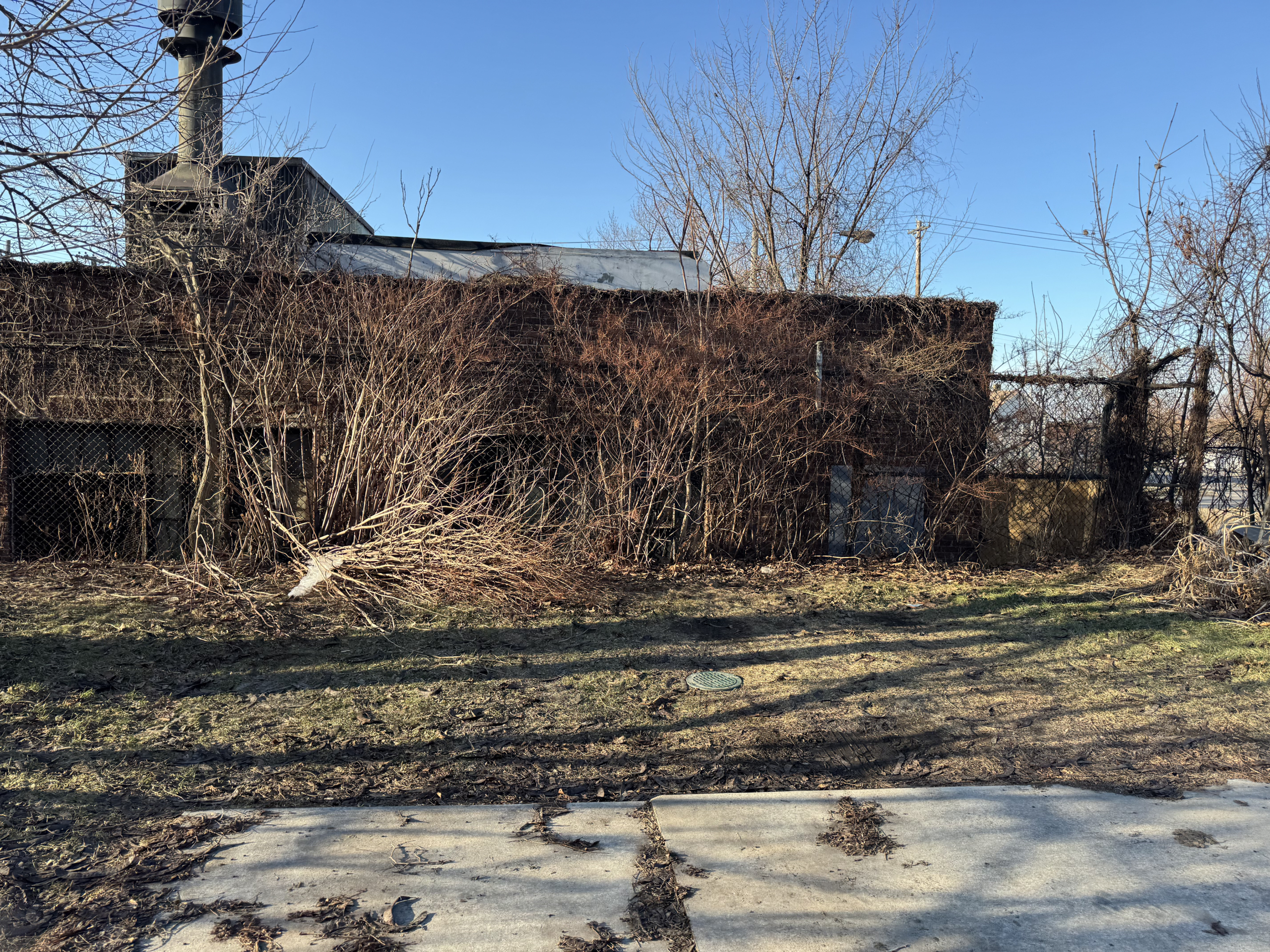
The abandoned 10,000-square-foot building held chromium-contaminated debris, residual hazardous waste in plating tanks and sumps, lead-containing materials, and possible solvent impacts from past degreasing work. It also sat right next to homes, so every step had to protect the neighbors as well as the crew.
ERC safely took the building down, separated and disposed of hazardous and non-hazardous materials, protected the slab and footers for future cleanup, and left behind a stable, secured site ready for the next phase of environmental remediation.
Project at a Glance
- Location: Cleveland, Ohio
- Client: Environmental consulting firm
- Prime Contractor: Environmental Remediation Contractor (ERC)
- Facility: Former hard-chrome plating operation, approx. 10,000 sq ft
- Contract Value: over $300,000
Key Project Results
- 10,000 sq ft hazardous industrial facility demolished
- 200+ tons of waste characterized, transported, and disposed *(confirm with Chris)*
- Chromium-impacted debris sent to Subtitle C hazardous waste facilities
- Non-hazardous debris managed at Subtitle D facilities
- 5,000 sq ft protective liner installed over the former building footprint *(confirm with Chris)*
- Slab and footers preserved for future remediation
- 100% of contract and change-order work completed
What Was the Environmental Problem at This Facility?
For years, the building was home to a hard-chrome plating operation. After it closed, it was left with hazardous waste violations and contamination throughout the structure.
Investigations found chromium-contaminated demolition debris, leftover hazardous waste in plating tanks and containment sumps, lead-containing materials, and possible volatile organic compound (VOC) impacts from former degreasing operations.
With homes right next door, the building couldn’t simply be knocked down. It had to come apart carefully, with every material sorted and handled the right way.
How Do You Demolish a Building Contaminated With Hazardous Waste?
You plan before the first wall comes down. ERC started with a site-specific Health and Safety Plan (HASP), permits, utility disconnections, site security, fencing, and erosion controls.
Next, demolition materials were characterized so hazardous and non-hazardous debris could be separated from the start. ERC then carried out a controlled demolition of the plating facility, keeping the slab and footers in place for the remediation work planned next.
How Was Chromium-Impacted Debris Handled and Disposed Of?
Chromium-impacted debris was segregated and sent to Subtitle C facilities, which are permitted to accept hazardous waste. Non-hazardous debris went to Subtitle D facilities.
Sorting the waste this way kept disposal compliant and avoided paying hazardous rates for material that didn’t need it. Hazardous materials left on site were protected every night until they were hauled away.
How Were the Neighbors and the Crew Kept Safe?
Working beside homes meant ERC had to keep dust, debris, and runoff from leaving the property.
The site was fenced and secured, erosion and stormwater controls were in place throughout, and steel plates covered deep pits so no one could fall in. Access mats and roadway protection plates were added through a change order to keep equipment moving safely and protect the ground surface.
How Was the Site Stabilized After Demolition?
Once the building was down, ERC backfilled trenches, pits, and voids, cleaned contaminated slab surfaces, and placed a protective liner over the former building footprint.
The site was then graded, stormwater measures were installed for long-term protection, and the property was restored. The slab and footers were left intact and ready for the state’s planned remediation.
Why Was This Project Complex?
ERC had to manage several conditions at once:
- Chromium-contaminated building materials
- Residual hazardous waste in tanks and sumps
- Lead-containing materials and possible VOC impacts
- Homes directly next to the work area
- Hazardous and non-hazardous waste segregation
- Preserving the slab and footers during demolition
- Deep pits and trenches creating safety hazards
- Stormwater and erosion control on an exposed site
Can a Contaminated Building Be Demolished Before Full Remediation?
Yes. On many brownfield sites, demolition comes first so the soil and slab underneath can be investigated and cleaned up.
Here, ERC removed the building and its regulated materials, eliminated safety hazards, and protected the slab with a liner and stormwater controls. That turned a long-neglected industrial property into a stable site ready for its next phase of cleanup.
Who Performs Hazardous Building Demolition in Ohio?
This work should be done by an environmental contractor with hazardous waste experience, strong safety programs, and the ability to manage characterization, transportation, and disposal from start to finish.
ERC performs hazardous building demolition, waste characterization and disposal, and site stabilization for property owners, public agencies, engineers, and environmental consultants across Ohio and the region.
What Services Did ERC Provide on This Project?
- Building Demolition
- Hazardous Waste Management
- Waste Characterization and Profiling
- Hazardous and Non-Hazardous Waste Transportation and Disposal
- Site Safety Planning (HASP)
- Utility Disconnection and Abandonment
- Trench and Pit Backfilling
- Protective Liner Installation
- Stormwater and Erosion Control
- Temporary Access Matting and Site Access Control
- Site Grading and Restoration
- Environmental Compliance Management
Have a Contaminated Building That Needs to Come Down?
Environmental Remediation Contractor provides safe, compliant demolition for facilities with hazardous materials, from planning and characterization through disposal and site stabilization.
ERC works with property owners, public agencies, engineers, and environmental consultants to clear impacted buildings and prepare sites for what comes next.