

Thousands of dams across the country were built for reasons that no longer apply. A mill that closed a century ago. A cooling-water supply for a power plant that’s been retired. A small impoundment that once powered something and now just sits there, aging.
Owners of these structures face a decision every year: keep paying to inspect, maintain, and insure it, or take it out. For a growing number of communities, utilities, and landowners, removal is the answer. Here’s why, how it works, and what to expect.
Why Dams Get Removed
- Public safety: Low-head dams, the small, drop-over type, can create a recirculating current at their base that traps swimmers and boaters. They look harmless and are not.
- Structural condition and liability: An aging dam is a long-term obligation. If it deteriorates, the owner is responsible for the consequences of a failure.
- Ongoing costs: Inspections, repairs, and insurance continue for as long as the dam does.
- Water quality: Impoundments trap sediment and can warm the water and lower oxygen levels. Removal lets a river flow and cool again.
- Fish and wildlife passage: Dams block migration and fragment habitat. Removing one can reopen miles of river.
- Recreation: Free-flowing rivers can be safer and more enjoyable for paddling and fishing, and removal often improves public access.
When Removal Isn't the Answer
Removal isn’t always right, and a good feasibility study says so when it isn’t. Some dams still serve a real purpose, such as water supply, flood storage, or hydropower. The impoundment may be valued as a lake. Or removal could cause problems upstream or downstream, such as exposing bridge piers or utilities, or releasing sediment that’s contaminated. Those questions are answered during assessment, before a decision is made.
How the Dam Removal Process Works
- Feasibility and ownership: Confirm who owns the dam, what it does, and what the options are, including repair, modification, or removal.
- Assessment: Engineers study hydrology and hydraulics, the structure itself, and the sediment trapped behind it. Sediment is sampled, because contaminated sediment changes how the project is handled.
- Permitting: In Ohio, dam work is reviewed through the ODNR Division of Water Resources’ dam safety program, and in-water work typically involves Ohio EPA’s Section 401 water quality certification and federal Clean Water Act Section 404 authorization from the U.S. Army Corps of Engineers. Other states have their own dam safety agencies and processes.
- Design: Engineers plan how the structure comes out, how water is controlled, and how the river channel will look afterward.
- Construction: Crews divert or draw down water, remove the structure in stages, manage released sediment, and rebuild the channel and banks.
- Restoration and monitoring: Banks are stabilized and replanted with native vegetation, and the site is monitored as the river adjusts.
Our dam, reservoir, canal, and shoreline services include removal and the channel restoration that follows.
Low-Head Dams Deserve Special Attention
Low-head dams, typically just a few feet high and built across the width of a river, are some of the most common dams and some of the most overlooked. They were often built for mills, water intakes, or cooling water, and they’ve outlived those purposes.
The danger is the current they create. Water pouring over the crest turns back on itself at the base and can hold a swimmer or boat in place, even when the water looks calm. Removing a low-head dam eliminates that hazard and often restores a long stretch of free-flowing river. If you own one, it’s worth having it assessed even if it seems harmless.
What Gets Complicated in the Field
- Controlling water: The dam holds water back, so crews have to manage flow carefully while they work.
- Sediment: What’s been trapped behind a dam for decades has to go somewhere. It’s either stabilized in place, redistributed, or removed, depending on what it contains and what regulators allow.
- Access and equipment: Dams are often in tight, wet, or developed locations.
- What’s next to the river: Roads, utilities, and buildings sometimes sit on land shaped by the impoundment.
What Happens to the River Afterward
Removing the dam is the start of the river’s recovery, not the end. As the impoundment drains, the river cuts a new channel through the sediment and begins to re-establish riffles, pools, and bends. Careful design guides that adjustment so banks stay stable and nearby infrastructure stays protected.
Over the following seasons, native vegetation takes hold along the new banks, water temperature and oxygen conditions often improve, and fish and aquatic insects can move through the reach again. A monitoring period helps catch issues like bank erosion or invasive plants early.
Funding Dam Removal
Removal can be less expensive than a major repair or rebuild, and there’s often money available to help. State agencies, federal programs, conservation organizations, and local partners have all supported dam removal projects, particularly where fish passage, public safety, or water quality are improved. Eligibility and timelines vary, so it’s worth raising funding at the feasibility stage rather than after a design is finished.
Questions Dam Owners Should Ask
- What condition is the dam in, and what will it cost to keep it for the next 20 years?
- Does it still serve any purpose, such as water supply, flood storage, or power?
- What’s behind it? Has the sediment been tested?
- Who needs to approve removal, and how long does that take?
- What infrastructure upstream or downstream could be affected?
- Are grants or cost-share programs available to help pay for removal?
A Real Example: Tait Station Low-Head Dam, Dayton, Ohio
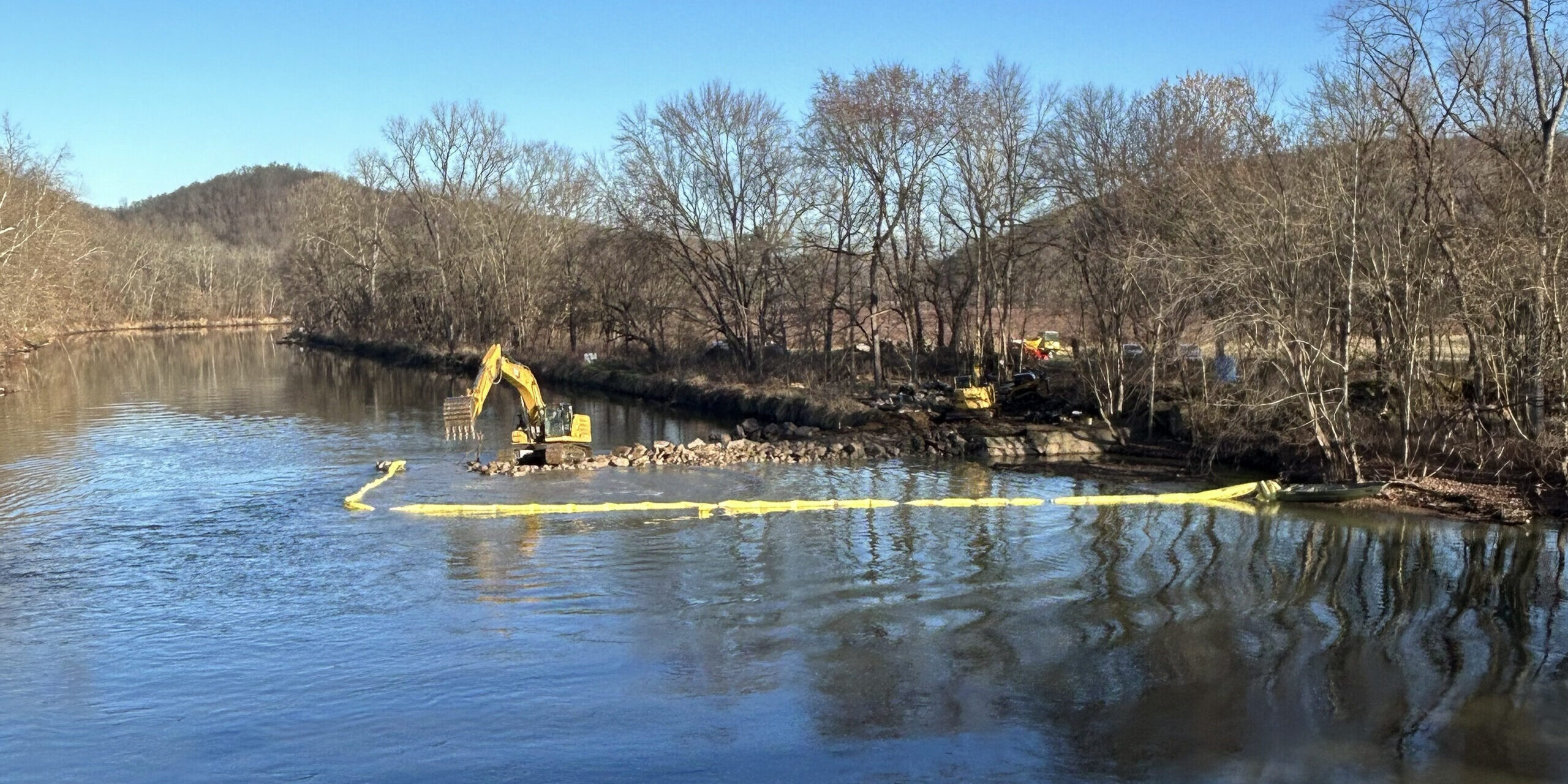
Built in 1935 on the Great Miami River in downtown Dayton, the Tait Station Low-Head Dam originally supplied cooling water to a coal-fired power plant. ERC removed the 83-year-old, 569-foot-long structure in a project completed in 2018, with Cardno as design engineer. Read the full Tait Station dam removal case study.
Not every dam job is about fish or recreation. In Jackson County, Ohio, ERC was brought in to clean up an underground coal gob fire, and part of that work involved draining a 100-million-gallon lake. See the gob fire dam removal project.
What Drives Cost and Timeline
Dam removal costs depend on the dam’s size and construction, how much sediment is behind it, whether that sediment is contaminated, access, permitting complexity, and how much channel and bank restoration is needed afterward. Studies, design, and permitting often take longer than the demolition itself. If you own a dam, the first useful step is a condition and feasibility assessment, which tells you what you have and what your options really cost.
Frequently Asked Questions
Reasons include public safety, structural condition and liability, ongoing maintenance costs, water quality, fish passage, and recreation. Many dams no longer serve the purpose they were built for.
Water flowing over a low-head dam can create a recirculating current at its base that holds people and boats against the structure. They often look harmless from above, which is part of the danger.
Yes. In Ohio, dam work is reviewed through the ODNR Division of Water Resources’ dam safety program, and in-water work usually involves Ohio EPA 401 certification and a federal Section 404 permit. Other states have their own dam safety requirements.
It’s tested first. Depending on what it contains, it may be stabilized in place, redistributed in the river, or removed and disposed of. Contaminated sediment changes the plan and the cost.
Physical removal can take weeks to months, but studies, design, and permitting typically take longer. Monitoring after removal continues as the river adjusts.
