A wetland is nature’s water filter. Water slows down, sediment settles, plants take up nutrients, and microbes in the soil break pollutants down. Engineers noticed this a long time ago, and the obvious next question was: could we build one on purpose, where we need it?
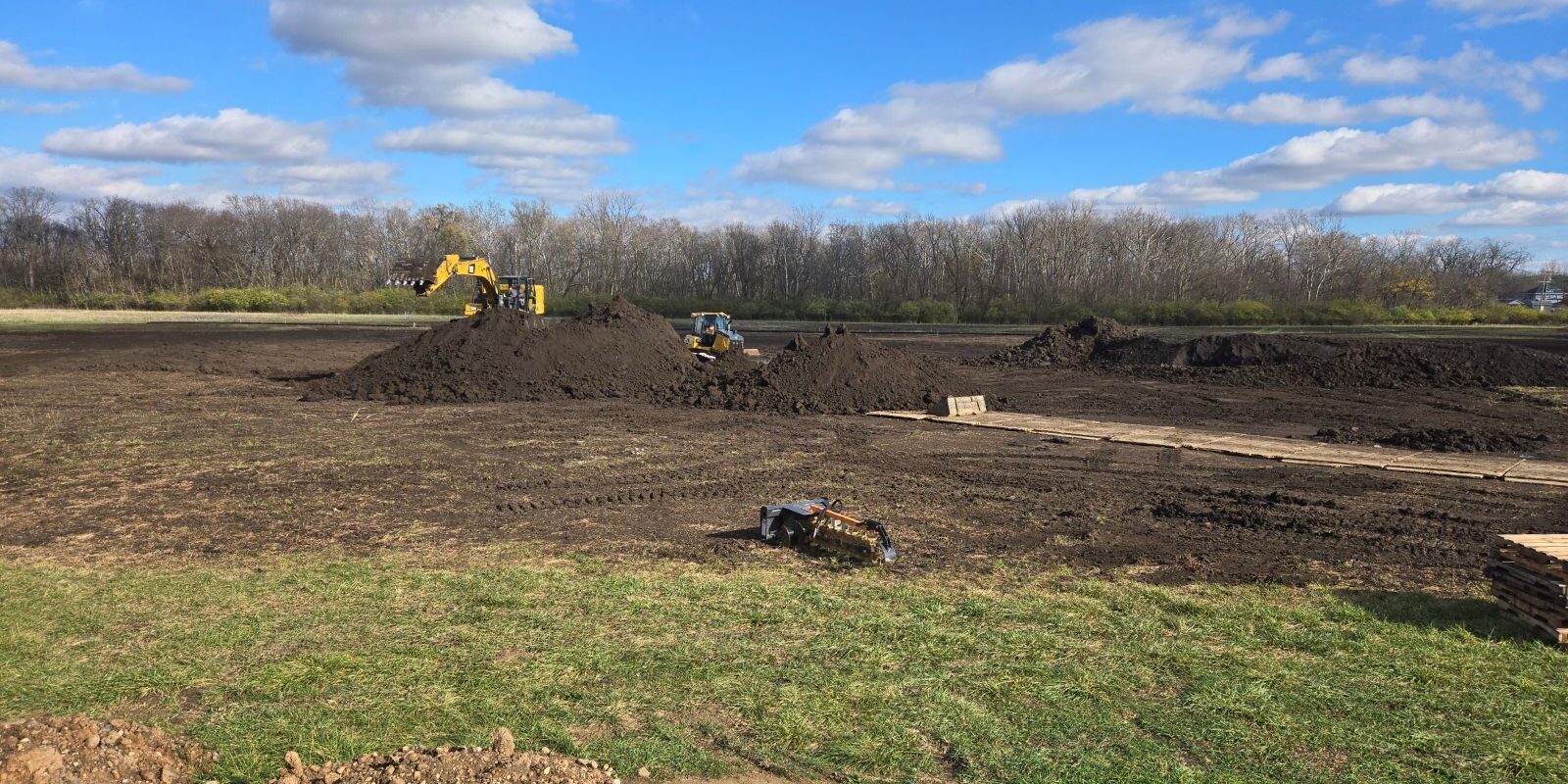
That’s a constructed wetland: a designed, built system that uses wetland plants, soils, and microbes to clean water. Cities, park districts, utilities, and farms across the Midwest are installing them to manage stormwater, cut nutrient pollution, and create habitat. Here’s how they work, where they fit, and where they don’t.
Constructed Wetlands vs. Restored Wetlands
These get mixed up often, so it helps to separate them.
- Restored or created habitat wetlands are built mainly to recover lost natural habitat and function, or to offset impacts to other wetlands.
- Constructed treatment wetlands are engineered primarily to treat water, with wildlife benefits as a bonus.
Plenty of projects do both. Our wetland creation, restoration, and constructed wetland services cover the full range.
How a Constructed Wetland Cleans Water
Several processes run at once:
- Settling: Slow, shallow water lets suspended sediment drop out.
- Filtration: Plant stems and root mats trap particles.
- Plant uptake: Wetland plants absorb nutrients like nitrogen and phosphorus into their tissue.
- Microbial breakdown: Bacteria living on roots and in the soil convert and break down pollutants. In low-oxygen zones, microbes can convert nitrate into nitrogen gas that leaves the system.
- Adsorption: Soils and organic material bind some pollutants, including certain metals and phosphorus.
Common Types
- Surface flow (free water surface): Water moves slowly across the top of the soil through emergent plants, much like a natural marsh. It’s the most familiar design and often the best for stormwater and habitat.
- Subsurface flow: Water moves through gravel or sand beneath the surface, in horizontal or vertical patterns, so it isn’t exposed on top. It can use less space and reduce odor and mosquito concerns.
- Hybrid systems: Designs that combine types, or add a series of cells, to improve performance.
What They're Used For
- Stormwater treatment: slowing and cleaning runoff from developed areas before it reaches a stream or lake.
- Agricultural runoff: reducing nutrient loads that feed algal blooms downstream.
- Wastewater polishing: providing additional treatment after conventional processes.
- Impacted drainage: such as mine drainage or some industrial and landfill-related flows, depending on the chemistry.
Why Cities and Park Districts Are Building Them
- Lower operating needs: Compared with mechanical treatment, wetlands rely on natural processes and generally need less energy and fewer chemicals.
- Regulatory pressure: Stormwater permits and watershed nutrient goals push communities to find practical ways to cut pollutant loads.
- Multiple benefits: One project can treat water, reduce flooding impacts, create habitat, and give people green space and educational opportunities.
- Funding: Water-quality programs, such as Ohio’s H2Ohio initiative, support projects that cut nutrients and sediment.
How They Compare to Other Stormwater Practices
Constructed wetlands are one tool among several. Understanding where they fit helps you choose well.
- Detention basins hold water temporarily to reduce peak flows. They do less for water quality unless designed to.
- Wet ponds hold a permanent pool and settle sediment, with moderate nutrient removal.
- Bioretention and rain gardens treat small drainage areas close to the source and fit tight sites.
- Constructed wetlands treat larger volumes with a more diverse plant community, which tends to improve nutrient removal and habitat, at the cost of more space.
Many projects combine them, using a basin to settle the heaviest sediment before water enters a wetland.
Where the Real-World Limits Are
Constructed wetlands aren’t magic, and a good design accounts for their limits:
- They need space: Treating a lot of water takes a lot of surface area.
- Performance varies with the seasons: Cold weather slows plant growth and microbial activity, which matters in northern climates.
- Sediment accumulates: Over the years it has to be removed to keep the system working.
- They need establishment and upkeep: Plants need time to take hold, and invasive species need management.
- Permits may apply: Building near existing streams or wetlands often involves Clean Water Act Section 404 authorization and state certification.
Design Questions That Shape a Wetland
- What water are you treating, and how much? Flow, pollutant type, and target concentrations set the size and design.
- How long will water stay in the system? Longer residence time generally means better treatment.
- Which plants fit the site? Native species suited to your region and water depth hold up best and support wildlife.
- How will you control water levels? Inlet and outlet structures let operators manage depth and flow.
- What happens in a big storm? Wetlands need a safe way to pass high flows without washing out.
- How will it be maintained? Sediment removal, vegetation management, and inspections should be planned from day one.
What Maintenance Looks Like Over Time
- First two or three growing seasons: establishing plants, managing weeds and invasive species, and adjusting water levels
- Every year: inspecting inlets, outlets, and berms, and checking for erosion or clogging
- Over the long term: periodically removing accumulated sediment, especially near inlets, and replacing plants where needed
Treat the wetland as infrastructure, because that’s what it is. Owners who budget a small, steady amount for upkeep avoid the expensive rebuilds that come from neglect.
Projects That Show the Concept
Brooks Park at Buckeye Lake, Ohio: Working with the ODNR Division of Parks & Watercraft, ERC improved habitat along Murphy’s Run and connected the stream to an off-channel wetland. The goal was to reduce the nutrients and pollutants reaching Buckeye Lake, with the habitat work and wetland connection increasing nutrient, sediment, and pollutant removal.
McCammon Creek, Delaware County, Ohio: When ERC and Burgess & Niple moved two tributaries into new channels for Preservation Parks of Delaware County, the old stream reaches didn’t go to waste. They were turned into additional wetlands. Read about the McCammon Creek project.
Funding and Partnerships
Constructed wetlands are often built through partnerships. Park districts and municipalities supply land and long-term stewardship, water-quality programs and grants help cover construction, and local soil and water conservation districts or watershed groups frequently help with planning and outreach. Bringing a contractor into those conversations early helps the design match what can actually be built and maintained on the budget available.
Is a Constructed Wetland Right for You?
They work best when you have available land, water that benefits from slow treatment, and a long time horizon. They’re less suited to tight urban sites or to water that needs rapid, highly controlled treatment. A site assessment will tell you whether the numbers work.
Frequently Asked Questions
A constructed wetland is an engineered system that uses wetland plants, soils, and microbes to treat water. It copies the natural filtering processes of a marsh in a designed, controlled footprint.
They’re effective at removing sediment and can reduce nutrients like nitrogen and phosphorus, along with some metals and organic pollutants. Performance depends on the design, the water chemistry, and the season.
It depends on how much water needs treating and how clean it must be. Treatment wetlands need substantial surface area compared with mechanical systems, which is why available land is often the deciding factor.
Standing water can support mosquitoes, but a well-designed system with healthy plant and fish or insect predator communities, steady flow, and proper maintenance can keep problems manageable. Subsurface-flow designs reduce exposed water altogether.
Often. Work in or near existing waters and wetlands may involve federal Clean Water Act Section 404 authorization and state water quality certification, plus local approvals. Requirements vary by state and site.
