Auglaize River Wetland & Floodplain Restoration
Cloverdale, Ohio | Wetland Restoration | Floodplain Reconnection | Ecological Earthwork | Native Revegetation
Environmental Remediation Contractor (ERC) served as the prime restoration contractor for a wetland and floodplain restoration project along the Auglaize River near Cloverdale, Ohio.
The floodplain was degraded and cluttered with legacy debris, including abandoned vehicles. The goal was to create working wetland habitat, reconnect the floodplain to the river, and set the site up for long-term ecological stability.
ERC self-performed the earthwork for three wetland systems, removed the debris, stabilized the river inlet, reused onsite concrete as channel protection, and finished the native planting, completing the project ahead of schedule with zero reported safety incidents.
Project at a Glance
- Location: Cloverdale, Ohio
- Client: Environmental engineering consultant
- Owner: Regional nonprofit conservation organization
- Prime Restoration Contractor: Environmental Remediation Contractor (ERC)
- Contract Value: over $750,000
 Key Project Results
- 3 wetland systems excavated and graded
- 17,415 cubic yards of excavation, all reused as onsite fill
- 2,150 linear feet of filter sock installed
- 3 abandoned vehicles and legacy debris removed
- Onsite concrete rubble processed and reused as channel protection
- Completed ahead of schedule with final acceptance
- Zero reported safety incidents
What Was the Problem With This Floodplain?
The land beside the Auglaize River had lost much of its natural function. It held legacy debris, including abandoned vehicles, and it no longer stored water or supported wetland habitat the way a healthy floodplain should.
Restoring it meant major earthwork, a stable river inlet, strong erosion controls, and native vegetation, all built to the issued restoration design.
How Do You Build a Wetland in a Floodplain?
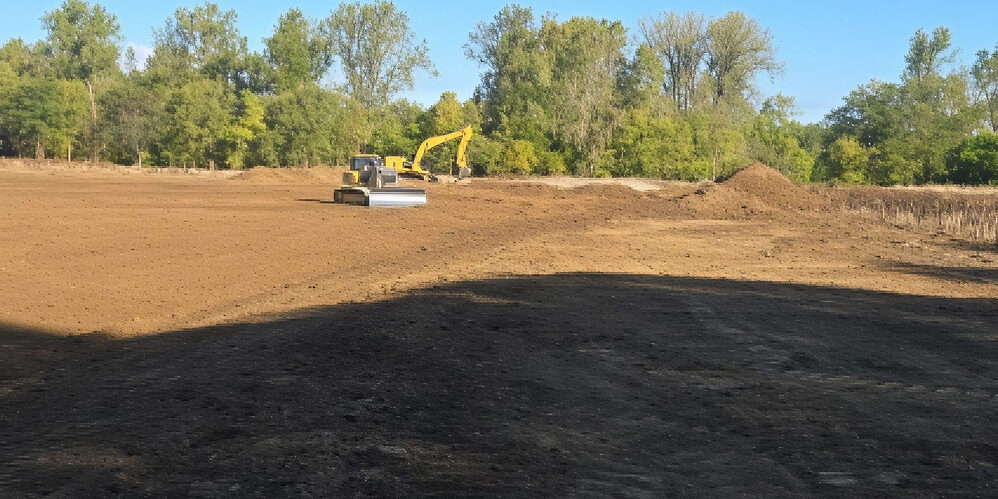
It starts with grading. ERC excavated and shaped three wetland systems, built wetland berms, and constructed inflow-control features so water enters and holds the way the design intends.
All 17,415 cubic yards of excavated material stayed on site as fill, so nothing had to be trucked away. When the schedule called for more production, ERC brought in larger equipment to keep grading moving.
How Was Onsite Concrete Reused?
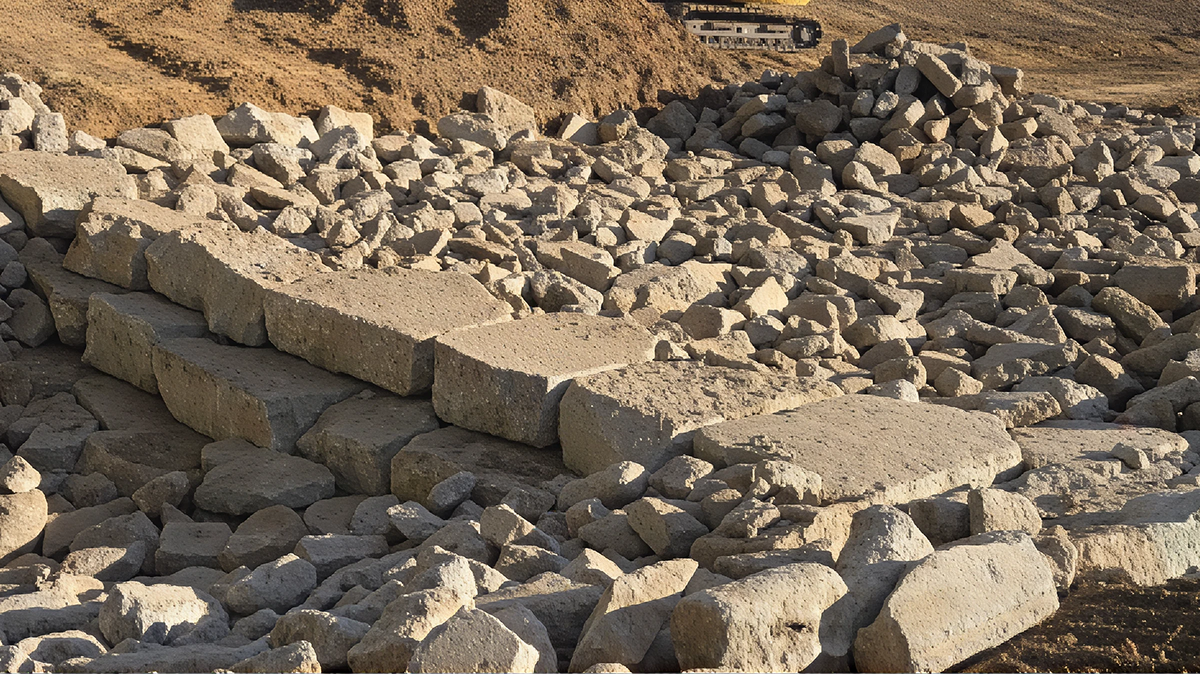
Instead of hauling existing concrete rubble off site, ERC processed it and reused it as channel protection. It’s a practical choice that cut disposal and material costs while putting a waste stream to good use.
Type D riprap was added through an approved change to finish protecting the Auglaize River inlet.
How Was the Site Stabilized and Replanted?
ERC installed erosion and sediment controls, including 2,150 linear feet of filter sock and additional coir erosion-control matting.
The team then completed native seeding and woody planting. The finished site includes wetland, floodplain, and upland plant communities that will keep developing over time.
Why Was This Project Complex?
ERC had to manage several conditions at once:
- Three separate wetland systems to build
- Large-scale ecological earthwork
- Removal of abandoned vehicles and legacy debris
- River inlet stabilization
- Onsite concrete processing and reuse
- Erosion control along an active river
- Native seeding and woody planting across several habitat zones
Who Performs Wetland and Floodplain Restoration in Ohio?
Wetland and floodplain work should be done by contractors who self-perform ecological earthwork, understand how water moves across a site, and can build to a restoration design.
ERC performs wetland restoration, floodplain reconnection, stream restoration, and native habitat establishment for conservation organizations, public agencies, and engineers across Ohio and the region.
What Services Did ERC Provide on This Project?
- Wetland Restoration
- Floodplain Restoration
- Ecological Earthwork
- Debris and Abandoned Vehicle Removal
- Riprap and Inlet Stabilization
- Onsite Concrete Processing and Beneficial Reuse
- Erosion and Sediment Control
- Native Seeding and Woody Planting
Planning a Wetland or Floodplain Restoration?
Environmental Remediation Contractor provides self-performed ecological construction, from earthwork and inlet protection through planting and stabilization.
ERC works with conservation organizations, public agencies, park districts, engineers, and ecological consultants to turn restoration designs into working habitat.