

How Are Data Center and Utility-Scale Battery Facility Emergencies Managed?
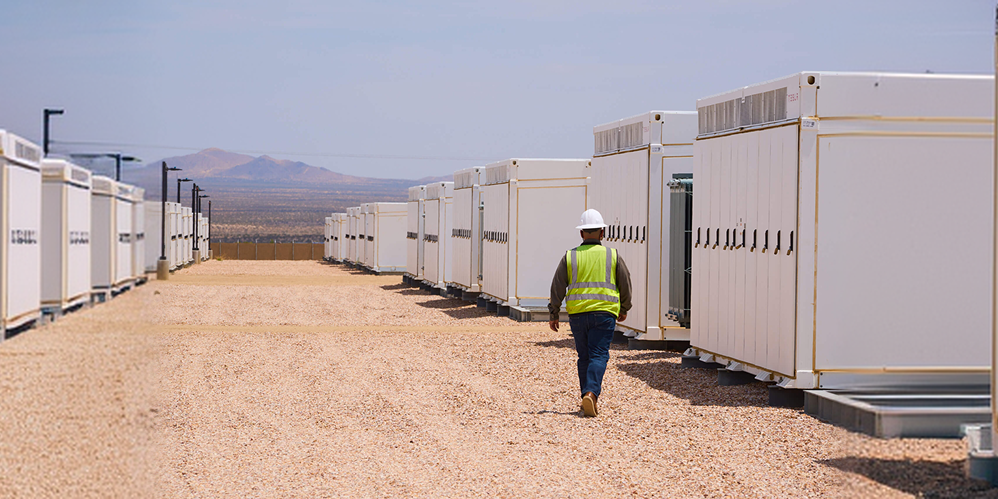
Data centers and utility-scale battery storage facilities are being built across Ohio and the Midwest faster than almost any other infrastructure category right now. Both bring real environmental emergency risk that most facility managers haven’t had to plan around before. This guide covers what’s actually involved when something goes wrong at one of these facilities, what a facility-specific response plan should cover, and what to have in place before an incident happens.
Why Ohio Is Seeing a Data Center and Battery Storage Boom
Ohio’s position within the regional power grid, available land, and proximity to major population centers have made it an attractive location for large-scale data center and battery storage development in recent years. This build-out is happening quickly, often outpacing the environmental planning that traditionally accompanies new industrial infrastructure — which means many of these facilities are operating without the kind of established emergency response relationships that older industrial sites typically have in place.
The Environmental Risks Specific to Data Centers
Data center emergencies can involve containment, damaged equipment recovery, oil remediation (from backup generators and cooling systems), wastewater management, hazardous material disposal, and regulatory reporting. The specific response depends heavily on the material released and the site’s particular systems — a cooling system leak and a generator fuel release call for very different response plans.
Backup diesel generators are a common but often overlooked risk at data center campuses. These systems typically hold significant fuel volumes on site specifically to run for extended periods during a power outage, which means a generator fuel system failure can release a substantial amount of product quickly if it isn’t caught early.
What Utility-Scale Battery Facilities Need
Environmental contractors supporting battery-storage projects need experience across hazardous waste management, spill response, remediation, emergency planning, industrial cleaning, and regulatory compliance. These facilities sit at the intersection of energy infrastructure and battery chemistry hazards, which means a narrow specialist in just one area typically isn’t enough.
A battery storage facility incident can also involve the specific hazards covered in lithium-ion battery cleanup — including the reignition risk associated with damaged cells — layered on top of the more conventional electrical and industrial risks present at any utility-scale facility.
Building a Plan Before You Need One
The facilities that handle incidents best are the ones that had an emergency response plan and a contractor relationship in place before anything happened — not the ones scrambling to find a qualified team mid-incident. That includes knowing in advance who to call, what documentation your specific facility type requires, and what response time is realistic for your location.
What a Facility-Specific Response Plan Should Cover
A useful emergency response plan for a data center or battery facility should identify the specific hazardous materials on site (fuel volumes, coolant types, battery chemistries), establish clear internal escalation steps for facility staff, and pre-confirm which contractor to call and what their typical response time looks like for your location. Plans that exist only as a generic document, without site-specific detail, tend to fall apart in the first hour of an actual incident — exactly when clarity matters most.
Coordinating With Facility Operations During Response
Unlike a standalone spill on undeveloped property, incidents at active data centers and battery facilities usually require close coordination with facility operations staff throughout the response — confirming which systems are safe to shut down, which need to keep running, and how cleanup work can proceed without creating additional operational risk. This is a meaningfully different coordination challenge than a typical emergency spill response, and it’s worth confirming a contractor has specific experience working inside active, operating facilities rather than only on vacant sites.
What Sets an Experienced Environmental Partner Apart Here
For this category of facility, the right environmental contractor isn’t necessarily the one with the most general remediation experience — it’s the one that understands both traditional industrial hazards and the specific risks unique to data centers and battery storage, and can move between the two without a learning curve during an actual incident. Facility managers should ask prospective contractors directly about prior experience with comparable facility types, not just industrial sites broadly.
Why This Infrastructure Boom Needs Specialized Partners
As this build-out continues across the region, the environmental contractors supporting it need to understand both traditional industrial hazards and the newer risks specific to data centers and battery storage — including the specialized training now required for battery-related incidents. ERC supports both traditional industrial clients and this emerging infrastructure category with the same 24/7 response capability.
Environmental Compliance During Construction, Not Just Operations
Environmental risk at these facilities doesn’t start once they’re operational — large data center and battery storage construction projects can involve their own spill risks, stormwater management requirements, and soil disturbance considerations during the build-out phase. Facility developers benefit from involving an environmental contractor during construction planning, not just once the site is live, so response protocols and any needed remediation work are already established before day-to-day operations begin.
What Ongoing Environmental Support Looks Like
Beyond emergency response, many data center and battery storage operators benefit from an ongoing relationship with an environmental contractor for routine industrial cleaning, periodic system inspections, and updates to the facility’s emergency response plan as equipment or hazardous material inventories change. Treating environmental support as a standing relationship, rather than a one-time emergency contact, tends to catch smaller issues before they become larger incidents.
Getting Started Before Your Facility Is Fully Operational
The best time to establish an environmental contractor relationship is during construction or commissioning, well before the facility is handling live production traffic or full battery charge cycles. That gives both sides time to walk the site, document fuel and coolant volumes, identify battery storage locations, and agree on response protocols under normal conditions — rather than negotiating all of that for the first time during an actual emergency.
ERC works with developers and facility operators at this stage specifically to build response plans around real site conditions, so that once the facility goes live, everyone already knows who to call and what to expect from that call.
Frequently Asked Questions
Response activities may include containment, damaged equipment recovery, oil remediation, wastewater management, hazardous material disposal, and regulatory reporting. The specific response depends on the material released and site conditions.
Environmental contractors supporting battery projects should have experience in hazardous waste management, spill response, remediation, emergency planning, industrial cleaning, and regulatory compliance — capabilities that support battery manufacturing, energy storage, transportation, and utility infrastructure projects.
Backup diesel generators are a common but often underestimated risk, since they typically hold significant on-site fuel volumes to support extended runtime during a power outage — meaning a system failure can release substantial product quickly if it isn’t caught early.
Yes. Facilities that establish a response plan and a contractor relationship in advance typically see faster mobilization and a more organized response than those that begin searching for a qualified contractor after an incident is already underway.
Ohio’s position within the regional power grid, available land, and proximity to major population centers have made it an attractive location for large-scale data center and battery storage development in recent years.
No. Construction of large data center and battery storage facilities can involve its own spill risks, stormwater management requirements, and soil disturbance considerations. Involving an environmental contractor during construction planning helps establish response protocols before operations begin.
Ideally during construction or commissioning, before the facility is handling live production traffic or full battery charge cycles. This gives time to document fuel and coolant volumes, identify battery storage locations, and agree on response protocols under normal conditions rather than during an emergency.
