

How Are Lithium-Ion Battery Fires and EV Battery Waste Cleaned Up?
As electric vehicles and battery energy storage systems become more common across Ohio and the Midwest, so do the incidents that come with them. Lithium-ion battery fires behave differently than conventional fires, and the cleanup that follows requires specialized handling most general contractors simply aren’t equipped for. This guide covers what battery fire cleanup actually involves, how it differs from traditional hazmat response, the specific training it requires, and how EV battery waste gets disposed of correctly.
Why These Fires Are Different
Lithium-ion battery incidents can produce hazardous materials that require specialized training, handling, and disposal procedures — the risk doesn’t necessarily end when the fire is out. Damaged cells can reignite hours or even days later through a process called thermal runaway, and the runoff and debris from the incident often need to be treated as hazardous waste rather than ordinary fire debris.
This is a meaningful departure from how most fire cleanup works. A conventional structure fire leaves behind debris that, once the fire is confirmed out, is generally safe to handle with standard precautions. A battery incident site can remain hazardous well after the visible fire is extinguished, which changes both the timeline and the safety protocol for cleanup crews.
How This Differs From Traditional Hazmat Response
Traditional hazardous materials response generally deals with a known, identifiable substance — a specific chemical, a specific fuel type — with established handling protocols. Battery incidents are more unpredictable: the risk level of a damaged cell isn’t always visually obvious, cells can appear stable and still pose a reignition risk, and the incident may involve a mix of battery chemistries depending on the equipment or vehicle involved. This uncertainty is exactly why generic hazmat experience isn’t a substitute for battery-specific training — the assessment skills required are genuinely different.
What Battery Fire Cleanup Actually Involves
Cleanup typically includes fire debris removal, contaminated runoff management, damaged battery collection, hazardous waste profiling, transportation, disposal, and a broader environmental assessment of the site. This isn’t a standard demolition-and-haul job — it requires crews trained specifically for battery-related hazards, including how to safely identify and handle cells that are damaged but not fully discharged.
The Training Requirement Most Contractors Skip
An environmental contractor handling battery cleanup should have function-specific training on battery cleanup, such as 49 CFR 172.704. That’s not a minor technicality — it’s the federal training standard that governs safely handling and shipping the hazardous materials a battery incident leaves behind. Ask any contractor bidding on this kind of work whether their crews are trained to this standard specifically, and ask for documentation of that training rather than taking a verbal assurance.
How EV Battery Waste Actually Gets Disposed Of
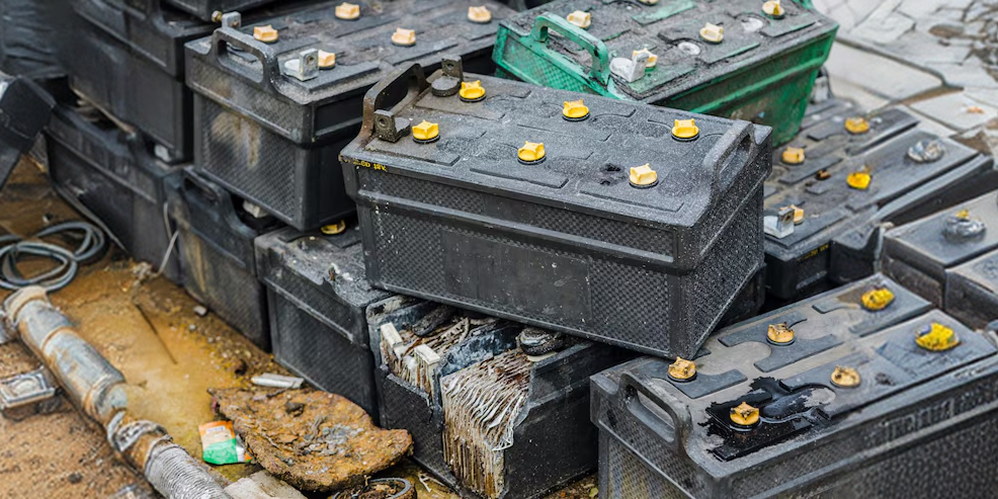
EV battery waste is typically managed through approved recycling, recovery, treatment, or disposal facilities. Proper packaging, transportation, documentation, and regulatory compliance are all critical, and the specific disposal requirements depend on the battery chemistry, its condition, and the applicable regulations — there isn’t a single one-size-fits-all disposal path.
Packaging alone is a significant part of this process. Damaged lithium-ion cells require specific packaging designed to prevent short circuits and manage any residual thermal risk during transport, which is very different from how conventional scrap metal or general waste gets loaded and hauled.
What This Means for Facility and Fleet Managers
If your operation involves EV fleets, battery storage, or manufacturing that uses lithium-ion cells, it’s worth having an emergency response plan in place before an incident happens — including a pre-identified contractor with the specific training this work requires. Facilities that wait until an incident occurs to start looking for a qualified response team lose valuable time during exactly the window when speed matters most.
The Growing Scale of Battery Infrastructure in Ohio
Ohio has seen significant investment in EV manufacturing, battery production facilities, and utility-scale energy storage over the past several years, which means the population of facilities carrying this risk profile is growing quickly — faster, in many cases, than the pool of environmental contractors with genuine battery-specific training. Facility managers evaluating environmental contractors for this kind of work should ask directly how many battery-related incidents the contractor has actually responded to, not just whether they’ve completed the training on paper.
Who to Call for Battery-Related Incidents
Environmental contractors supporting battery-related projects should bring experience in hazardous waste management, spill response, remediation, emergency planning, industrial cleaning, and regulatory compliance — the full stack, not just one piece. ERC provides 24/7 emergency response for battery incidents alongside broader industrial and utility clients across the region.
What to Include in a Battery-Specific Emergency Plan
Facilities working with lithium-ion batteries at any scale benefit from a written plan that identifies where batteries are stored or used on site, what quantities and chemistries are involved, how staff should isolate and report a suspected battery incident, and which contractor to call with confirmation they carry current battery-specific training. Facilities that build this into their broader emergency response planning — rather than treating batteries as an afterthought within a generic fire plan — respond faster and more safely when an actual incident happens.
Why Insurance and Liability Considerations Are Different Here
Because battery incidents can involve delayed reignition and specialized hazardous waste handling, the cleanup costs and liability exposure often run higher than a comparable conventional fire. Facility managers should confirm with their insurance carrier that coverage accounts for battery-specific incident response and disposal costs, and should keep documentation of contractor training and response protocols on file — both matter if a claim or liability question comes up after the fact.
How ERC Approaches Battery-Related Projects
ERC’s field teams maintain function-specific training on battery cleanup, including 49 CFR 172.704, alongside our broader 40-hour HAZWOPER certification and annual refreshers. That combination lets our crews move directly from initial containment through hazardous waste profiling, transportation, and disposal without bringing in a separate specialist mid-project — which matters most in the early hours of a battery incident, when speed and correct handling both count.
This work sits alongside ERC’s broader emergency response and industrial cleaning capabilities, which means facilities with mixed environmental risks — conventional spills alongside battery storage, for example — can rely on one contractor rather than coordinating separate vendors for each hazard type.
Frequently Asked Questions
Cleanup often includes fire debris removal, contaminated runoff management, damaged battery collection, hazardous waste profiling, transportation, disposal, and environmental assessment. Battery incidents can produce hazardous materials that require specialized training, handling, and disposal procedures, including function-specific training such as 49 CFR 172.704.
EV battery waste is typically managed through approved recycling, recovery, treatment, or disposal facilities. Proper packaging, transportation, documentation, and regulatory compliance are critical. Disposal requirements depend on battery chemistry, condition, and applicable regulations.
Environmental contractors supporting battery projects should have experience in hazardous waste management, spill response, remediation, emergency planning, industrial cleaning, and regulatory compliance — capabilities that support battery manufacturing, energy storage, transportation, and utility infrastructure projects.
Yes. Damaged lithium-ion cells can reignite through a process called thermal runaway, sometimes hours or days after the initial fire appears extinguished, which is why cleanup crews need specialized training to assess and handle damaged batteries safely.
Traditional hazmat response typically deals with a known substance and established handling protocols. Battery incidents are less predictable — damaged cells may not visually appear dangerous but can still pose a reignition risk, which requires battery-specific assessment training rather than generic hazmat experience.
A useful plan identifies where batteries are stored or used on site, the quantities and chemistries involved, how staff should isolate and report a suspected incident, and which contractor to call with confirmed battery-specific training, such as 49 CFR 172.704.
Because battery incidents can involve delayed reignition and specialized hazardous waste handling, cleanup costs and liability exposure often run higher than a comparable conventional fire, so facility managers should confirm their coverage specifically accounts for battery-related response and disposal costs.
