What Is Environmental Remediation? A Complete Guide for Property Owners
If you’ve just learned your property has a contamination issue, “environmental remediation” is probably a phrase you’re hearing for the first time in a stressful context. This guide explains what it actually means, what it covers, how the process typically unfolds, and how to think about it as a property owner — without the regulatory jargon that usually comes with it.
The Straightforward Definition of Environmental Remediation
Environmental remediation is the process of removing, treating, controlling, or managing contamination in soil, groundwater, sediment, or structures. Common remediation projects involve petroleum releases, industrial contamination, hazardous substances, and brownfield redevelopment sites. In plain terms: something got into the ground or water that shouldn’t be there, and remediation is the work of dealing with it safely and legally.
The specific approach depends heavily on what the contaminant is, how far it has spread, and what the property will be used for once the work is done. A gas station being sold to a new operator has different requirements than a former industrial site being converted into residential housing, even if the underlying contamination looks similar on paper.
Common Types of Contamination Property Owners Encounter
The most frequent remediation triggers ERC sees are petroleum releases from storage tanks, historical industrial contamination on properties that once housed manufacturing or processing operations, and hazardous substance releases from spills or improper past disposal practices. Each type behaves differently in soil and groundwater, which is exactly why an accurate initial site assessment matters so much — the same visible symptom, like discolored soil or a chemical odor, can point to very different underlying issues depending on the property’s history.
Property owners are sometimes surprised to learn that contamination discovered today can date back decades, tied to uses of the property long before current ownership. This doesn’t necessarily change who is responsible for addressing it, which is why an early conversation with both an environmental consultant and legal counsel is often worthwhile before remediation work begins.
Who Can Clean Up Contaminated Soil?
Environmental remediation contractors, working alongside environmental consultants and regulators, handle contaminated soil excavation, transportation, disposal, treatment, and restoration. The right approach depends on the type of contamination, the level of risk, applicable regulatory requirements, and what the property is being used for going forward.
It’s worth understanding the difference between an environmental consultant and an environmental remediation contractor, since the two roles often get confused. A consultant typically handles investigation, risk evaluation, and regulatory strategy. A contractor — like ERC — performs the physical work: excavation, tank removal, waste transportation, and site restoration. Many projects need both, working together.
How Petroleum-Contaminated Soil Actually Gets Removed
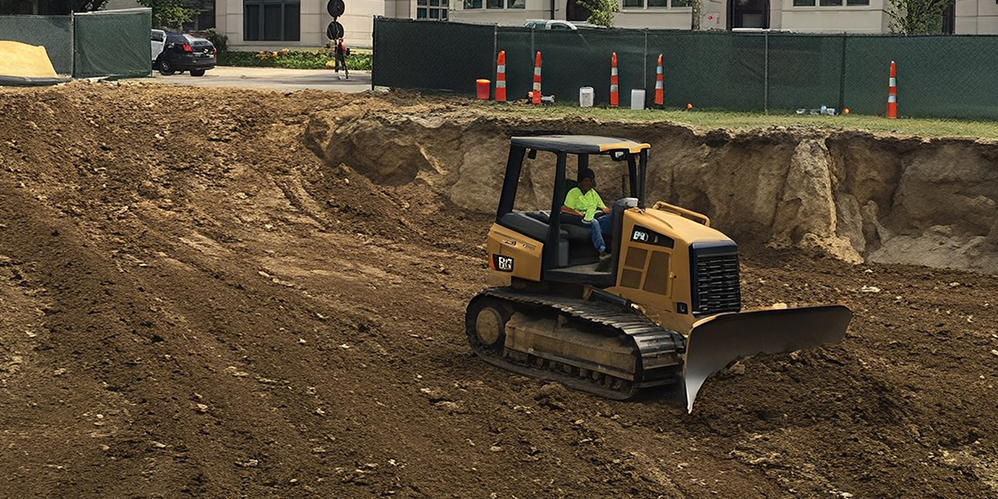
Petroleum-impacted soil is most often excavated and transported to an approved treatment or disposal facility. In some cases, treatment can happen on-site instead, using biological, physical, or chemical remediation technologies rather than trucking the soil offsite. Which approach makes sense comes down to site conditions and what regulators require — see our soil remediation page for the specific methods ERC uses, including in-situ treatment and dig-and-haul.
Can Contaminated Groundwater Be Treated Without Excavating Everything?
Yes. Many contaminated groundwater sites can be treated using pump-and-treat systems, injection programs, in-situ remediation, filtration systems, or biological treatment processes. Which technology makes sense depends on contamination levels and what the site needs to achieve — more on the specific options on our contaminated groundwater treatment page.
Groundwater remediation often runs on a longer timeline than soil remediation, since treatment systems typically need to operate for months or years to bring contaminant levels down to acceptable thresholds, with periodic monitoring to confirm progress along the way.
What About Landfill Corrective Action?
Not all remediation involves a single contamination event — landfills require ongoing corrective action to safely manage the gasses, leachate, and other byproducts they generate over time. This typically involves capping systems, leachate collection, and gas management infrastructure. See our landfill corrective action page for how ERC approaches this longer-term category of remediation work.
How Long Does a Typical Remediation Project Take?
Timeline varies enormously depending on the contaminant, the extent of the impact, and the remediation method chosen. A straightforward soil excavation project might wrap up in one to two weeks of field work. A groundwater treatment system, by contrast, may need to run for months or years before confirmation sampling shows the site meets applicable standards. Regulatory review between phases — not the physical work itself — is often what stretches an otherwise quick project out over a longer calendar timeline.
How Remediation Decisions Get Made
Most remediation projects follow a similar decision sequence regardless of contaminant type: first, an assessment establishes what’s present and how far it has spread; second, that data gets compared against applicable regulatory standards for the property’s intended use; third, a remediation strategy is selected based on what will most cost-effectively bring the site into compliance; and finally, confirmation sampling verifies the work achieved its goal before the project formally closes out.
Where property owners sometimes get surprised is at that second step — the standard a site needs to meet depends heavily on future use. A property headed for continued industrial use typically has a less stringent standard to meet than the same property being converted to residential use, which means remediation scope and cost can shift substantially based on decisions about future development, not just the contamination itself.
What Regulatory Closure Actually Means for a Property Owner
The end goal of most remediation projects isn’t just “clean” in a general sense — it’s formal regulatory closure, documented and approved by the relevant agency. That closure documentation is what protects a property owner going forward, since it establishes on record that the contamination was identified and properly addressed. Without it, contamination that was actually remediated years ago can still create uncertainty during a future sale or refinance, simply because there’s no paper trail proving the work was done correctly.
What This Means If You Just Found Out You Have a Problem
You don’t need to become an expert in remediation technologies overnight — that’s what a contractor is for. What matters early on is getting a real site assessment quickly, understanding what’s actually required versus what’s optional, and working with a team that can explain the plan in plain English before work starts. A good first conversation with a remediation contractor should leave you with a clearer picture of your options, not a longer list of unfamiliar terms.
Why ERC's Approach Is Different
ERC self-performs the majority of remediation work rather than subcontracting it out piece by piece, which means one team is accountable for the project from initial assessment through final restoration. Our crews complete 40-hour HAZWOPER training and an annual refresher, and we’ve built our safety program specifically around the hazards this kind of field work involves. That combination — self-performing capability plus a serious safety record — is what lets us take on projects ranging from a single leaking tank to multi-phase brownfield redevelopment across Ohio, Kentucky, Indiana, Michigan, and Pennsylvania.
Frequently Asked Questions
Environmental remediation is the process of removing, treating, controlling, or managing contamination in soil, groundwater, sediment, or structures. Common remediation projects involve petroleum releases, industrial contamination, hazardous substances, and brownfield redevelopment sites.
Environmental remediation contractors working with environmental consultants and regulators can perform contaminated soil excavation, transportation, disposal, treatment, and restoration. The selected approach depends on contamination type, risk, regulatory requirements, and redevelopment goals.
Yes. Many contaminated groundwater sites can be treated using technologies such as pump-and-treat systems, injection programs, in-situ remediation, filtration systems, or biological treatment processes. Technology selection depends on contamination levels and site objectives.
A consultant typically handles investigation, risk evaluation, and regulatory strategy. A remediation contractor performs the physical work — excavation, tank removal, waste transportation, and site restoration. Many projects require both working together.
Timeline depends heavily on the contaminant and remediation method. A straightforward soil excavation project might take one to two weeks of field work, while groundwater treatment systems often need to operate for months or years before confirmation sampling shows the site meets applicable standards.
The regulatory standard a site needs to meet depends on its future use. Property remaining in industrial use typically has a less stringent cleanup standard than the same property being converted to residential use, which means remediation scope and cost can shift based on redevelopment plans.
