Ecological Restoration Services in Michigan
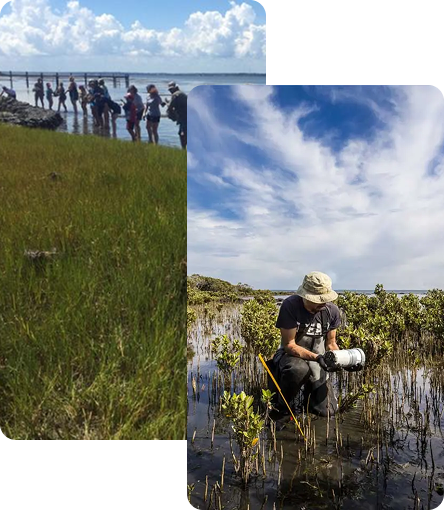
Across Michigan, site access, terrain, weather, and surrounding land use can all shape how environmental work should be performed. Michigan’s extensive shorelines, inland waters, wetlands, freeze-thaw conditions, and industrial corridors can be affected by erosion, development, altered drainage, and aging infrastructure. ERC provides ecological restoration for Great Lakes-connected watersheds, wetlands, manufacturing sites, and legacy industrial properties, with services that rebuild stream function, restore wetlands, and stabilize shorelines, slopes, and banks.
Michigan projects may need to account for wet ground, shoreline exposure, winter conditions, and active manufacturing environments. ERC can carry the work from constructability planning through grading, in-stream installation, planting, and final stabilization with one self-performing team.
- Stream, river & wetland restoration

- Dam removal & reservoir, canal & shoreline work
- Slope & bank stabilization
- Self-performing crews – one team from design through construction
Our Ecological Restoration Capabilities
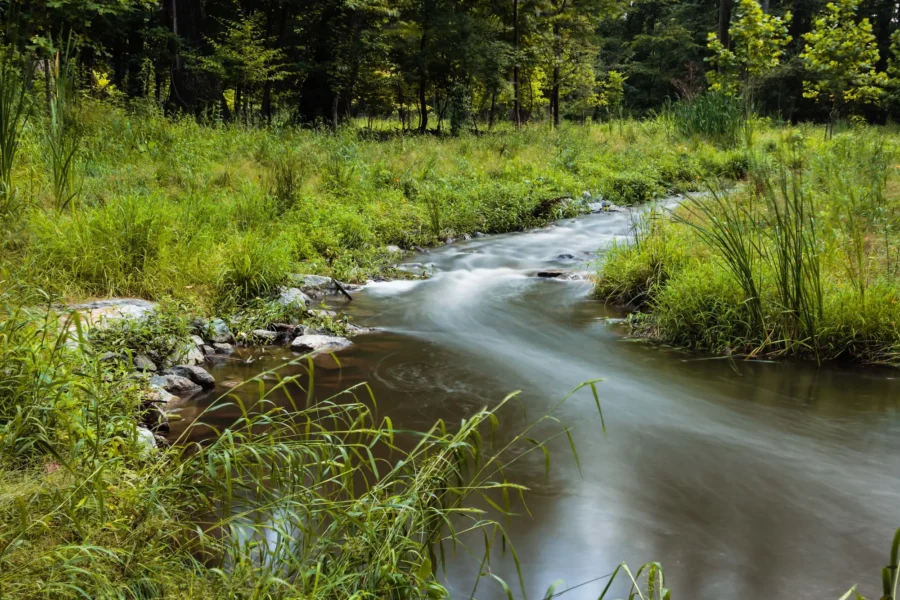
Stream & River Restoration
- Channel restoration & daylighting
- Bank stabilization & grading
- Habitat & water quality improvement
- In-stream structure installation
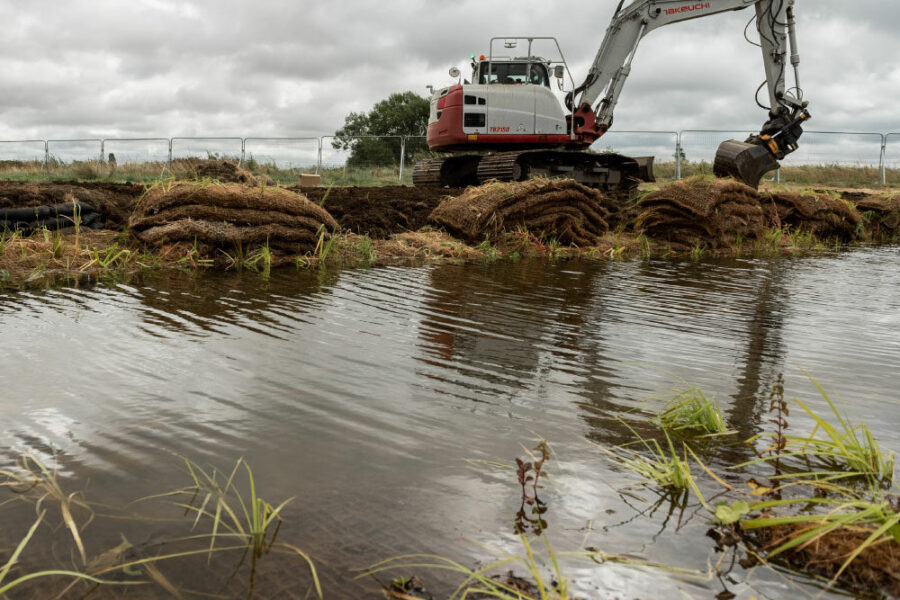
Wetland Creation & Restoration
- Constructed wetlands
- Wetland restoration & mitigation
- Stormwater & water quality treatment
- Native planting & establishment
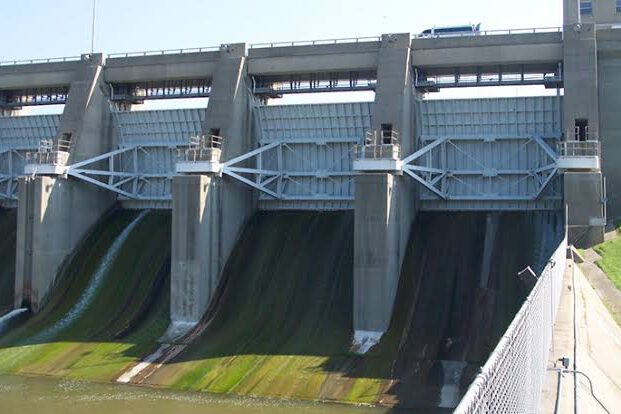
Dams, Shorelines & Slope Stabilization
- Dam removal & repair
- Reservoir, canal & shoreline work
- Slope & landslide stabilization
- Erosion control
Why Property Owners & Agencies Choose ERC
Responsive Project Delivery
For ecological restoration in Michigan, ERC adjusts the sequence as field conditions develop while maintaining communication with the project team.
Relevant Project Experience
As part of our nine-state service area, ERC brings the same self-performing crews, 40-hour HAZWOPER training, and safety standards to projects throughout Michigan that we do at our Ohio headquarters.
Trained Environmental Field Crews
Field employees receive 40-hour HAZWOPER training and ERC supports work throughout Ohio, Illinois, Indiana, Kansas, Kentucky, Michigan, Missouri, Pennsylvania, and Wisconsin.
Frequently Asked Questions
ERC handles stream and river restoration, wetland creation and restoration, shoreline and dam work, slope or bank stabilization, erosion control, and related site restoration in Michigan. These services can support Great Lakes-connected watersheds, wetlands, manufacturing sites, and legacy industrial properties.
Start with the location, available plans, photographs, known permitting status, site-access limitations, schedule, and the problem you need corrected. Michigan projects may need to account for wet ground, shoreline exposure, winter conditions, and active manufacturing environments. An early site review helps ERC understand constructability and equipment needs.
The field approach may include grading, erosion controls, rock or structural measures, in-stream features, soil stabilization, vegetation, and final surface protection. For Michigan properties, the selected method depends on water movement, slope geometry, soils, access, and the project design.
ERC provides ecological restoration in Michigan within its nine-state service area. Mobilization timing and equipment needs depend on the exact location, urgency, access, and scope, so ERC should confirm logistics for each property before scheduling.
ERC employees supporting ecological restoration receive 40-hour HAZWOPER training and annual refreshers, along with training that may include RCRA, DOT, confined-space entry, respiratory protection, First Aid and CPR, and project-specific requirements. The field plan also addresses hazards and controls identified for the individual site.
Send the Michigan property address, a concise description of the ecological restoration need, photographs, available reports or drawings, access limitations, target schedule, and your contact information. ERC can review those details and determine whether a site visit or additional documentation is needed.
Connect With Us
Reach out now – someone from our team will get in touch within 24 hours.
Certifications and Awards