Former Electroplating Facility Abatement & Demolition
Sebring, Ohio | Hazardous Building Demolition | Asbestos Abatement | Chromium-Impacted Debris | Engineering Controls
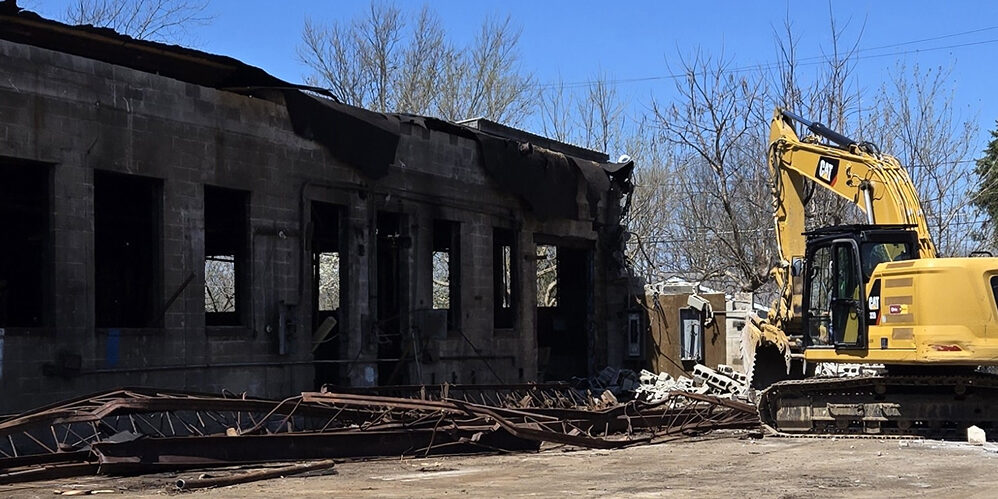
Environmental Remediation Contractor (ERC) abated and demolished a 12,000-square-foot former electroplating facility on a residential street in Sebring, Ohio.
The building was unsafe to enter and contained hazardous materials, including an asbestos-containing roof and chromium-impacted block and concrete. With homes nearby, dust control and safety had to be tight.
ERC abated the hazardous materials, demolished the structure with controlled techniques, disposed of the chromium-impacted debris as hazardous waste, and left the site stabilized with engineering controls until future remediation.
Project at a Glance
- Location: Sebring, Ohio
- Client: State environmental agency
- Consultant: Environmental consulting firm
- Contractor: Environmental Remediation Contractor (ERC)
Key Project Results
- 12,000 sq ft former electroplating facility demolished
- Asbestos-containing roof abated and disposed of
- Universal waste and contaminated materials removed
- Chromium-impacted block and concrete disposed of as hazardous C&D waste
- Enhanced dust suppression next to homes
- Site backfilled, graded, and stabilized with engineering controls
How Do You Demolish a Building That’s Unsafe to Enter?
When a structure is too unsafe for crews to go inside, demolition has to be done from the outside using controlled techniques. ERC planned the work so the building came down safely without putting anyone at risk.
What Hazardous Materials Were in the Building?
The facility had an asbestos-containing roof, universal waste, and contaminated building materials from its plating history. Block and concrete were also impacted by chromium.
The asbestos was abated, and all materials were handled and disposed of in line with regulations. Chromium-impacted block and concrete went out as hazardous C&D waste.
How Were the Neighbors Protected?
The site was on a residential street, so ERC installed erosion controls and perimeter fencing first, then used enhanced dust suppression, safety, and traffic controls throughout demolition.
What Are Engineering Controls?
Engineering controls are physical measures, like caps or covers, that keep contamination contained. After demolition, ERC backfilled, graded, and stabilized the site with engineering controls that will stay in place until future remediation is completed.
Why Was This Project Complex?
ERC had to manage several conditions at once:
- Unsafe structure with restricted entry
- Asbestos-containing roof
- Chromium-impacted block and concrete
- Universal waste removal
- Homes close to the work area
- Engineering controls for interim protection
Who Performs Hazardous Building Demolition in Ohio?
Former plating and industrial buildings should be demolished by contractors with hazardous waste, abatement, and community protection experience.
ERC performs hazardous building demolition, abatement coordination, and site stabilization for state agencies, municipalities, property owners, and environmental consultants across Ohio and the region.
What Services Did ERC Provide on This Project?
- Erosion Control and Perimeter Fencing
- Asbestos-Containing Material Abatement
- Universal Waste Removal
- Hazardous Chromium-Impacted Debris Disposal
- Dust Suppression
- Safety and Traffic Control
- Engineering Controls and Site Restoration
Have a Contaminated Building in a Neighborhood?
Environmental Remediation Contractor provides careful abatement and demolition for hazardous buildings, with the neighbors in mind.
ERC works with public agencies, property owners, and environmental consultants to remove dangerous structures and stabilize sites for future cleanup.